
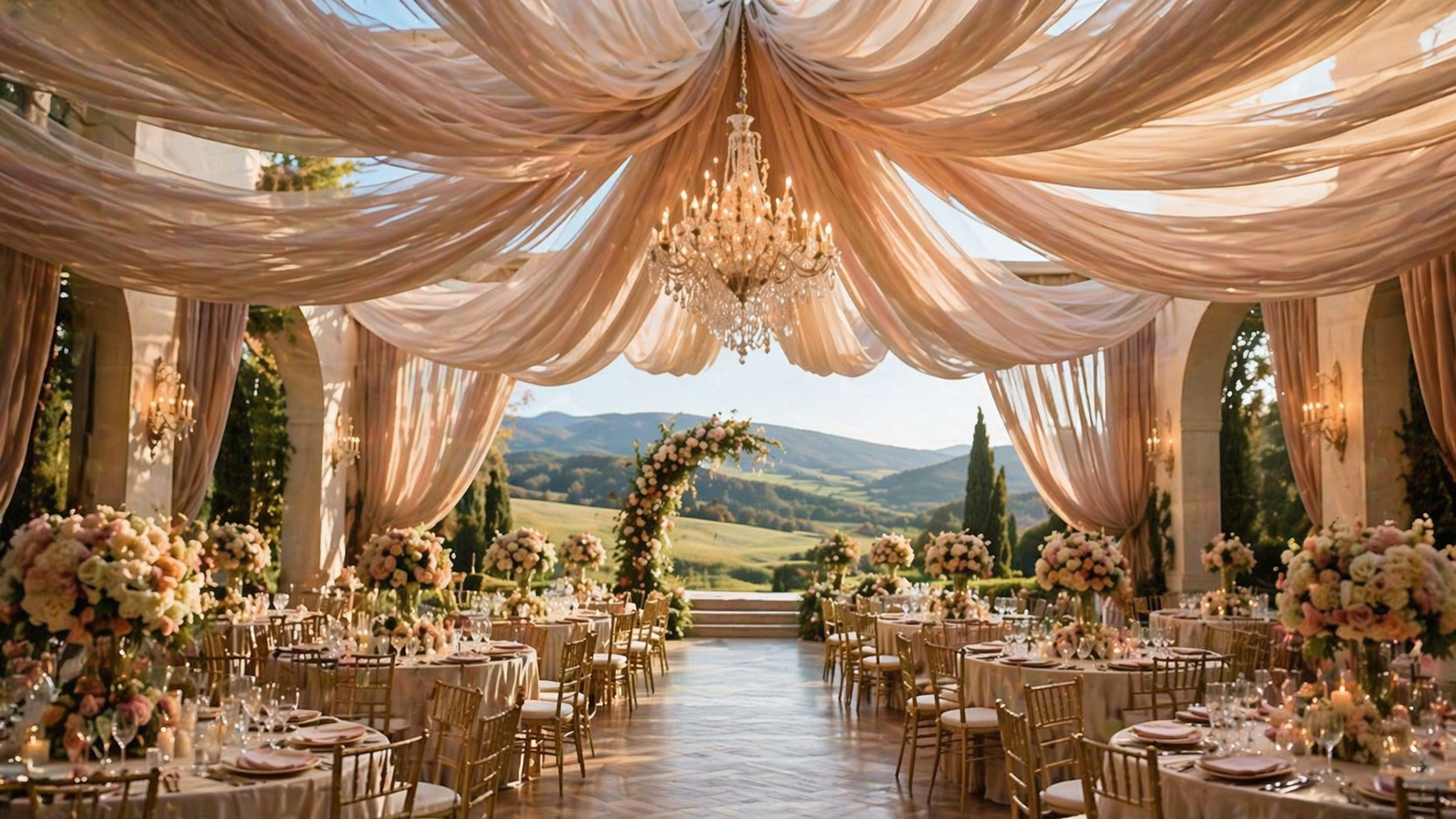
Ask any Indian wedding planner what the single most common regret they hear from couples after the wedding and the answer is almost always the same. Not the flowers. Not the food. Not even the photographer.
It is the venue.
Either they booked it too late and settled for their third choice. Or they toured it in spring when the garden looked lush and arrived in October to find bare trees and patchy grass. Or they signed the contract without reading the catering restrictions and spent the next twelve months fighting with the venue coordinator over their caterer's access to the kitchen.
The venue is the one decision that cannot be undone once the deposit is paid. Every other vendor, your photographer, your decorator, your caterer, your DJ, works around the venue you chose. Getting it right means knowing what to look for before you fall in love with a space. These eleven rules will help you do exactly that.
Why the venue is your most important booking
Your venue sets your date, your guest count capacity, your catering options, your decor possibilities, and your photography conditions all at once. It is the foundation every other decision is built on. For an Indian wedding with multiple events across two or three days, a venue that works well for a Saturday reception but cannot accommodate a Friday sangeet, a Sunday brunch, or a baraat procession on the driveway is simply the wrong venue, regardless of how beautiful it looks in photos.
Book your venue 12 to 18 months before your wedding date. In peak markets like New Jersey, the Bay Area, and Chicago, the best spaces for Indian weddings fill up even earlier than that.
Rule 1: Confirm it can actually hold your guest count comfortably
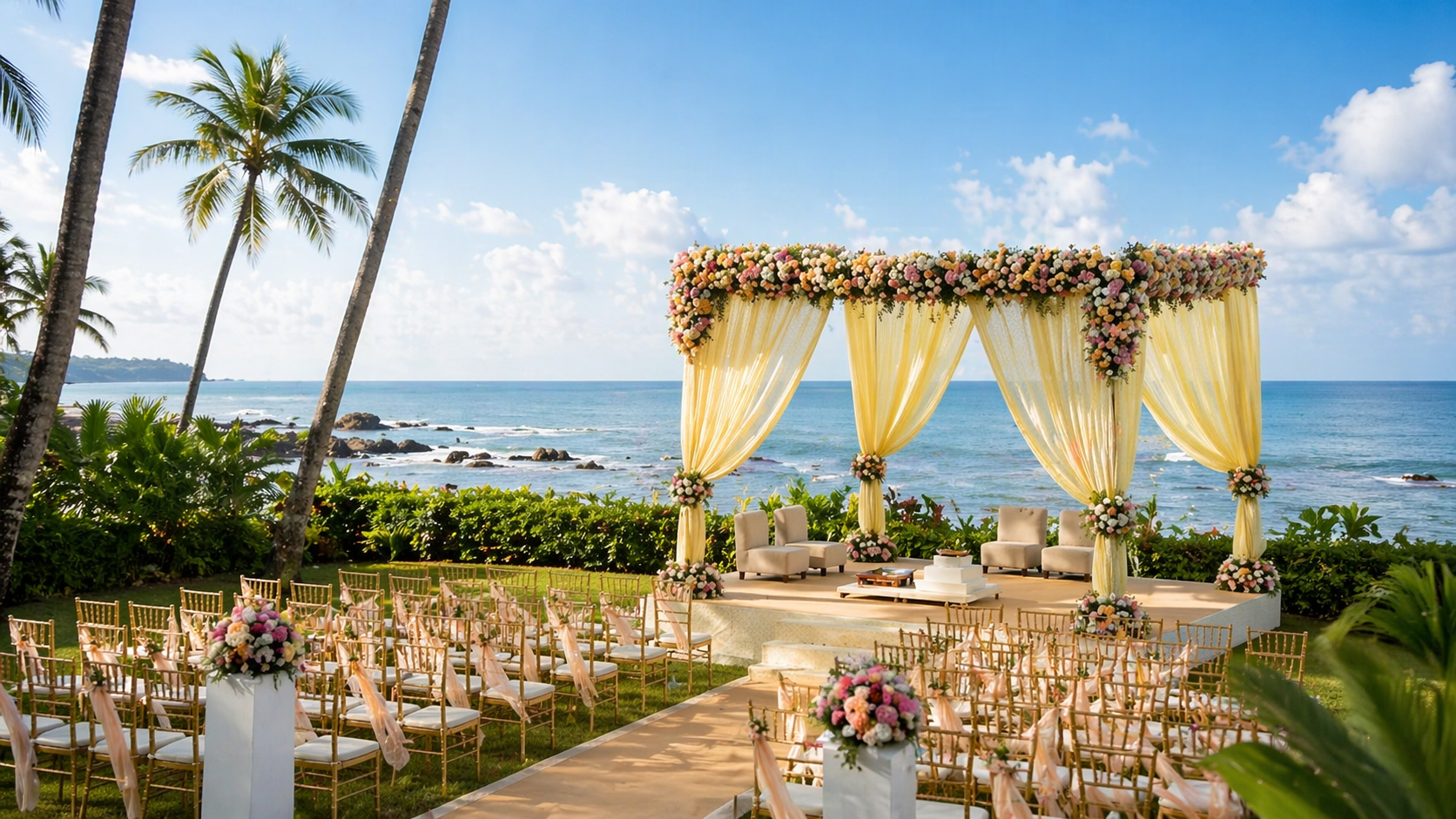
Indian weddings are not intimate affairs. A guest list of 200 to 400 people is completely standard and many families go well beyond that. The first question you need answered at any venue tour is not about the decor or the chandeliers. It is how many people this space can genuinely hold without feeling like a crowded train compartment.
Ask for the venue's standing capacity and its seated dinner capacity separately because they are very different numbers. Also ask whether that capacity includes your vendors, your catering staff, your DJ setup, and your mandap footprint, since all of those take up floor space that reduces your usable guest area.
Rule 2: Check whether it can host multiple events across multiple days
A venue that only works for a single evening reception is not built for an Indian wedding. You need to know whether the space can host your mehendi, sangeet, ceremony, and reception, either in different rooms on the same day or across consecutive days without requiring a full reset between each event.
Ask specifically whether the venue offers multi-day packages and what they cost. Some venues charge a flat weekend rate while others charge per event setup, which can add $5,000 to $15,000 to your total depending on how many transitions are involved.
Rule 3: Inspect the kitchen and catering infrastructure before committing
Indian catering at scale is demanding. Feeding 300 guests a full multi-course Indian meal with live stations, a mithai spread, and a staffed bar requires a professional-grade kitchen with adequate space, equipment, and ventilation. Not every beautiful venue has one.
Before you sign anything, ask your preferred caterer to visit the venue and assess the kitchen. A caterer who quotes you $40,000 based on assumptions about kitchen access may revise that number significantly after they see the reality. Some venues also have mandatory in-house catering or a restricted list of approved caterers, which means your favourite Indian caterer may not be allowed in the building at all.
Rule 4: Walk the outdoor space with the baraat in mind
The baraat is one of the most joyful and visually spectacular moments of any Indian wedding. It needs space. Specifically, it needs a driveway, entrance path, or outdoor area wide enough for a procession, a dhol player, dancing guests, and possibly a horse or decorated car to arrive without chaos.
Walk that path yourself during your venue tour. Ask the coordinator how previous Indian weddings have managed the baraat arrival. A venue that has never hosted one may not anticipate the noise, the crowd flow, or the time it takes, and that can create friction with venue staff on the day itself.
Rule 5: Read the vendor restriction policy very carefully
Many venues in the USA operate on an approved vendor list, meaning you can only use photographers, caterers, decorators, and DJs from their pre-approved roster. For Indian weddings, where you need vendors who specifically understand mandap design, Indian cuisine, and multi-day event coordination, a restrictive approved list can severely limit your options.
Before you fall in love with a venue, ask directly whether you can bring your own Indian caterer, your own mandap decorator, and your own mehndi artist. If the answer is no to any of those, factor in whether their approved alternatives meet your needs and at what cost.
Rule 6: Count the parking spots
This sounds unglamorous but it matters enormously. An Indian wedding with 300 guests generates a lot of cars, especially when elders and out-of-town family are attending. A venue with inadequate parking creates stress before the first song even plays.
Ask the venue how many parking spaces are available on-site and whether overflow parking exists nearby. If parking is limited, factor in the cost of a shuttle service from a nearby lot or hotel, which typically runs $1,500 to $4,000 for a wedding weekend depending on distance and vehicle count.
Rule 7: Assess the lighting conditions for photography
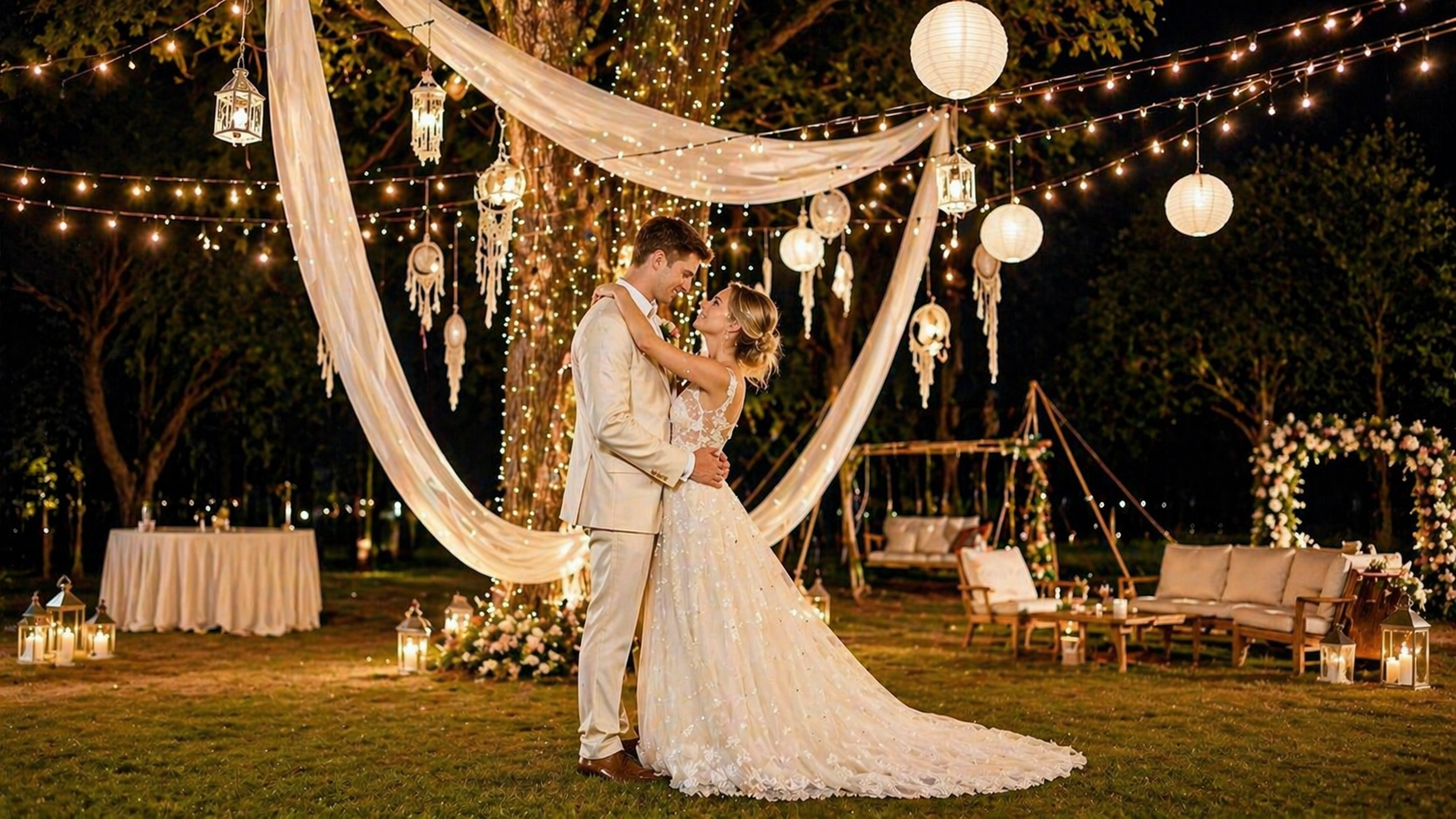
Your photographer can work with almost any space, but some spaces make their job significantly harder. Venues with low ceilings and no natural light, heavy amber tone lighting that is difficult to colour-correct, or outdoor spaces that face harsh direct sunlight in the afternoon can all compromise the quality of your photos even with a talented photographer behind the camera.
During your tour, ask the coordinator what time of day the indoor spaces get natural light and where the best spots are for portraits. If your wedding includes an outdoor ceremony, check which direction the space faces and what the light looks like at the time your ceremony is scheduled.
Rule 8: Read the contract before you pay the deposit
Venue contracts for Indian weddings can be complex and the details matter. Before signing, review these specific clauses:
The overtime policy and what it costs per hour if your events run long
The cancellation and postponement terms including what you lose if your date needs to change
Whether the venue can book other events on adjacent days that might affect setup or noise
Who is responsible for cleanup and when it must be completed
What is included in the rental fee and what is charged as an add-on
Paying a lawyer $200 to $400 to review a venue contract before you hand over a $20,000 deposit is one of the most financially sensible decisions you can make.
Rule 9: Visit the venue in the same season as your wedding
Venues look their best during spring and summer open houses. If you are getting married in October and you toured in May, you have not seen what you are actually booking. Gardens that looked lush and green may be bare. Outdoor spaces that felt warm and inviting may be cold and unusable by evening.
Ask the venue coordinator for photos from events held in the same month as your wedding. Better still, visit in person at a similar time of year and ask to walk the outdoor spaces at the same time of day your events are scheduled.
Rule 10: Ask the right questions during your tour
Most couples spend venue tours admiring the chandeliers. The questions that actually protect you are more practical. Bring this list:
How many Indian weddings have you hosted in the past year?
What does this outdoor space look like in our wedding month?
Can our decorator access the space the day before for setup?
What is your noise curfew and how strictly is it enforced?
Is there a bridal suite and a separate groom's room available?
What happens if it rains and we have outdoor events planned?
A venue coordinator who answers these questions confidently and specifically has experience with weddings like yours. One who seems uncertain or gives vague answers is a signal worth paying attention to.
Rule 11: Trust your instinct but verify it with data
Sometimes a venue feels right the moment you walk in. That feeling matters and you should not ignore it. But instinct alone is not enough when you are about to sign a contract worth $15,000 to $60,000.
After your tour, verify your instinct by checking online reviews specifically from Indian couples who have held events there, asking the coordinator for two or three references from previous South Asian weddings you can contact directly, and confirming that everything you were verbally promised is reflected in the written contract.
A venue that felt magical during the tour and checks out on every practical question is one you can book with confidence.
Quick venue checklist for Indian couples
Confirm seated capacity including mandap footprint and vendor space
Ask about multi-day and multi-event availability and pricing
Have your caterer assess the kitchen before you sign
Walk the outdoor baraat path during your tour
Read the vendor restriction policy in full
Count parking spaces and ask about overflow options
Assess indoor and outdoor lighting conditions for photography
Review the overtime, cancellation, and add-on clauses in the contract
Visit in the same season as your wedding or request season-specific photos
Ask all ten practical questions listed in Rule 10
Check reviews from Indian couples and request references before signing
Frequently asked questions
How early should Indian couples book their venue in the USA? Aim for 12 to 18 months before your wedding date. In high-demand Indian wedding markets like New Jersey, Houston, and the Bay Area, the most sought-after spaces fill even earlier, particularly for fall and spring dates.
What does a wedding venue typically cost for an Indian wedding in the USA? For a full Indian wedding weekend, venue costs in mid-range markets like Houston or Atlanta typically run $12,000 to $35,000. In premium markets like New Jersey or the Bay Area, comparable spaces often run $25,000 to $60,000 or more depending on guest count and the number of events hosted.
What is the most important thing to check that most couples miss? The kitchen and catering infrastructure. Most couples focus entirely on how the ballroom looks and forget to ask whether the kitchen can actually support Indian catering at scale. This oversight leads to either a caterer revising their quote significantly after the site visit or discovering that your preferred caterer is not on the venue's approved list at all.
Can you negotiate with wedding venues? Yes, especially for weekday events, off-peak months, or if you are booking multiple events across the same weekend. Venues are often willing to reduce setup fees, include additional hours, or throw in extras like a complimentary bridal suite when you are booking a full multi-day Indian wedding package. Always ask and always get any concessions confirmed in writing.