
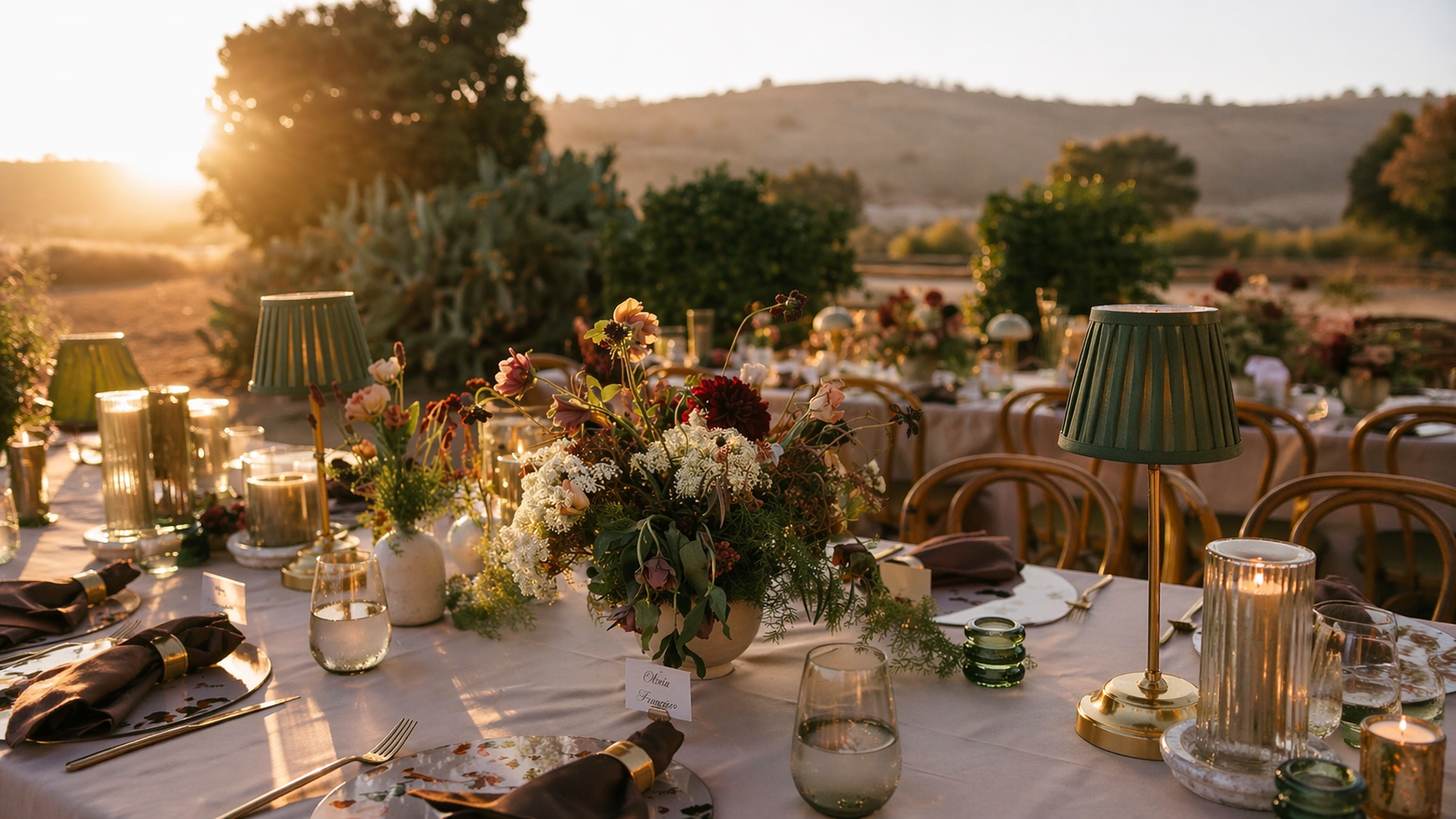
Fall is one of the most beautiful times to get married in the United States. The changing leaves, the crisp air, and the warm color palette create a natural backdrop that feels made for a celebration.
For Indian couples, it gets even better.
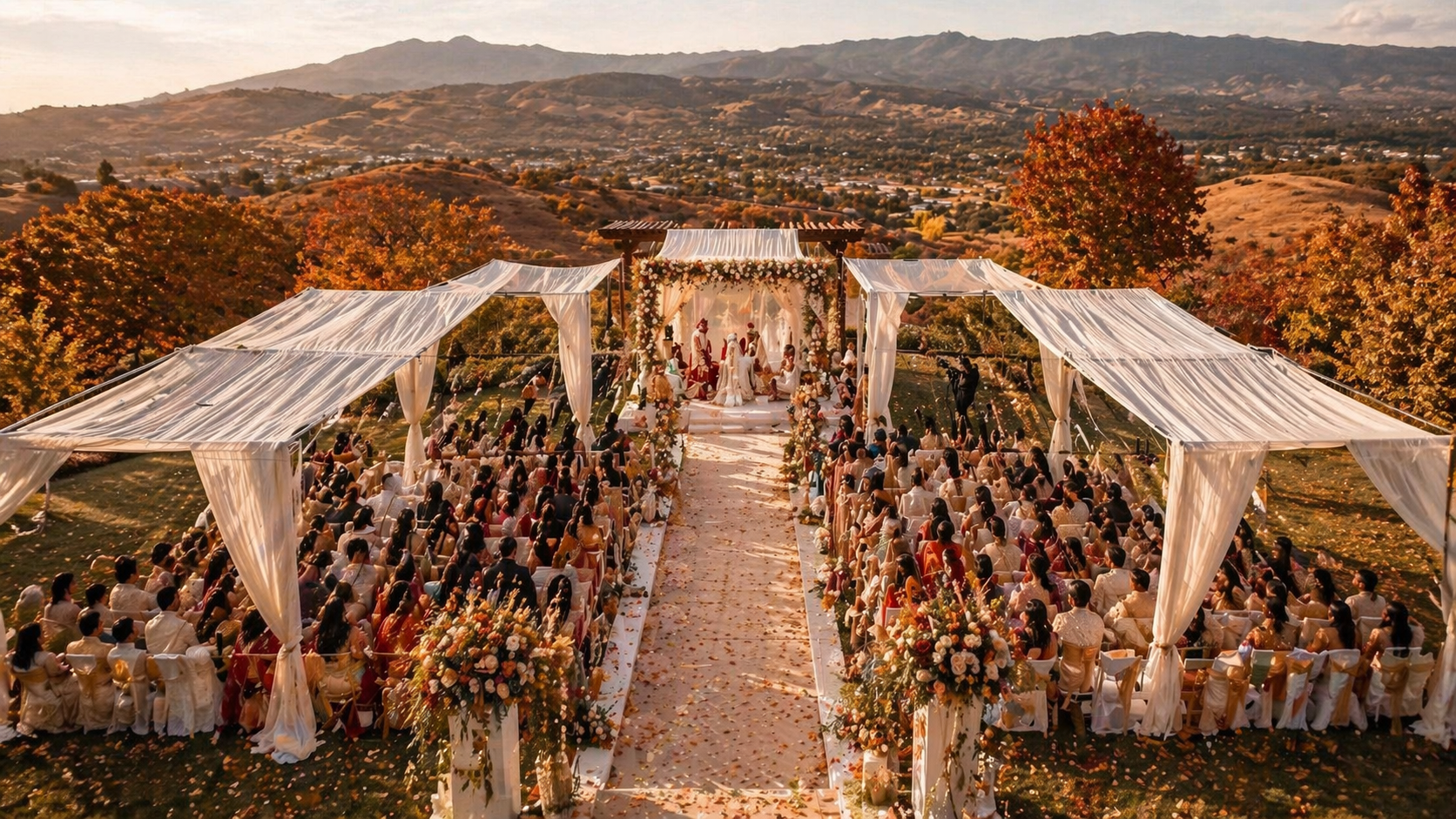
Imagine a baraat procession lined with golden maple trees, a mandap framed by autumn foliage, and a reception that blends the richness of Indian tradition with the coziness of an American fall. It's a combination that photographs beautifully and feels deeply memorable.
But fall weddings, especially multi-day Indian weddings, come with a specific set of challenges that catch many couples off guard. Understanding these mistakes before you start planning can save you significant stress, money, and disappointment.
Why fall wedding planning is harder than it looks
Fall is now the most popular wedding season in the United States. That means venues, photographers, and vendors are in high demand. For Indian weddings, which often span multiple days and require specialized vendors like mehndi artists, mandap decorators, and Indian caterers, the competition for the best professionals is even more intense.
On top of that, fall weather is unpredictable. Temperatures that feel comfortable at noon can drop sharply by evening. Daylight disappears earlier than most couples expect. And in certain states, storm season doesn't end until November.
The real issue isn't the season itself. It's going in without a plan built specifically for it. Once you understand the unique demands of a fall Indian wedding in the USA, everything becomes much easier to manage.
7 fall wedding mistakes Indian couples make in the USA
Mistake 1: Booking vendors too late
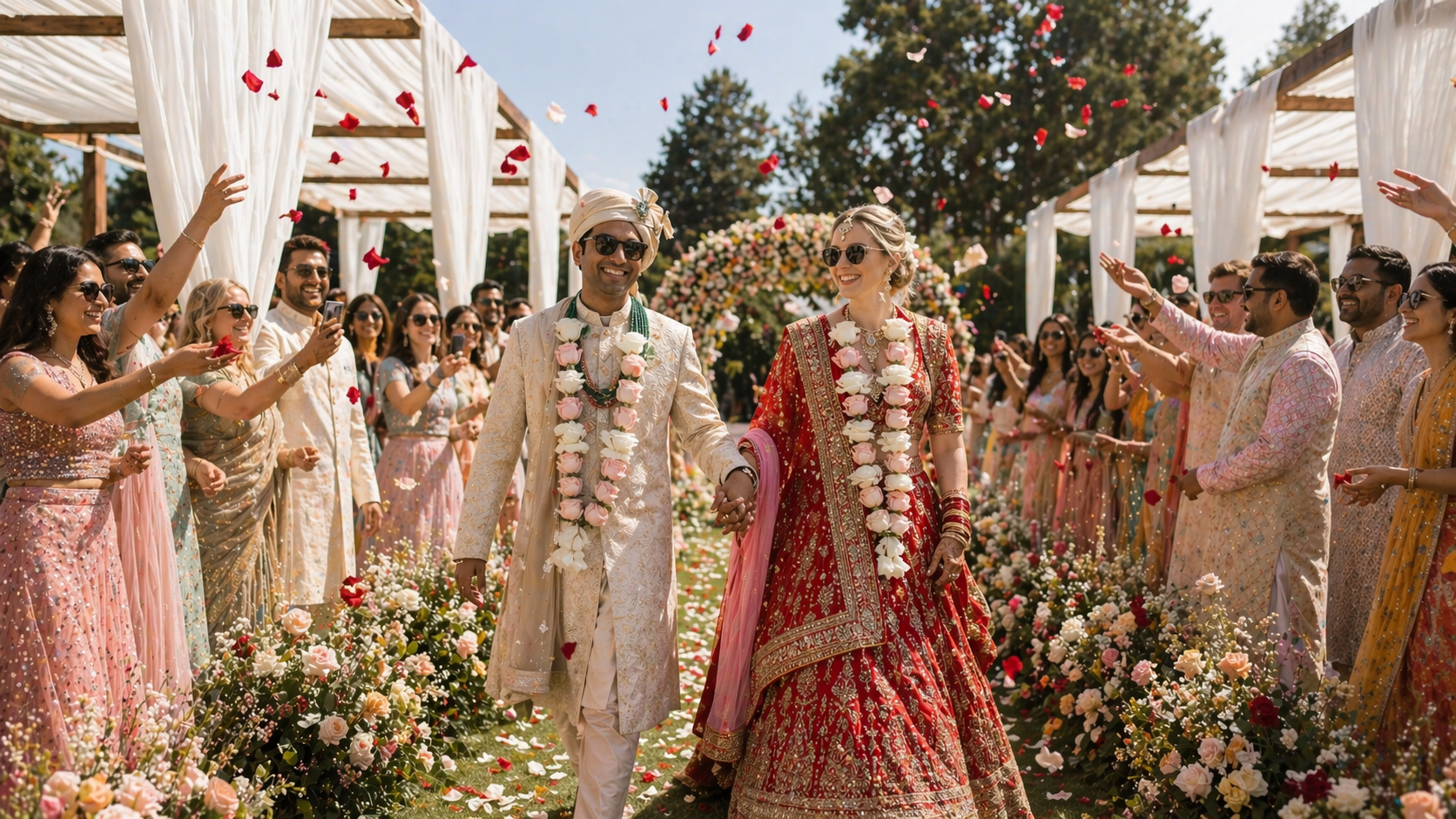
Fall has quietly overtaken summer as America's busiest wedding season. Top photographers, venues, and florists in major Indian-American cities like New Jersey, Chicago, Houston, and the Bay Area are often fully booked 12 to 18 months in advance.
For Indian weddings, the challenge is even greater. You're not just looking for any vendor because you need professionals who understand:
Multi-day event coordination
Mandap and Indian floral setups
Indian cuisine and catering at scale
Mehndi, sangeet, and baraat logistics
Start your vendor search as early as possible, so ideally a year or more before your date. Lock in your venue, photographer, decorator, and caterer first. Have a backup décor palette ready in case certain florals or specialty items aren't available.
Mistake 2: Ignoring earlier sunsets
In summer, golden hour arrives around 7:30 or 8 PM, well after most ceremonies have ended. In fall, the sun can set as early as 5:30 PM. After daylight saving time ends in early November, evenings arrive even sooner.
Indian weddings often include a baraat arrival, outdoor ceremony, and extended family portraits and all of these look completely different without good natural light.
To protect your photos:
Check the exact sunset time for your wedding date and city
Plan your outdoor ceremony to begin at least 90 minutes before sunset
Schedule couple portraits and baraat timing during the golden-hour window
Ask your photographer about a first-look session to get key portraits done before the ceremony
Mistake 3: Underestimating temperature drops
A fall afternoon in the USA can feel comfortable and even warm. But once the sun goes down, temperatures can fall by 15 to 20 degrees within hours.
For Indian weddings with outdoor components like a lawn sangeet, open-air cocktail hour, or evening baraat, guests can go from comfortable to freezing very quickly. Elders traveling from India or warmer states are especially unprepared for this shift.
Plan ahead by:
Checking historical evening temperatures for your venue location
Providing patio heaters or fire pits at outdoor gathering areas
Offering a warm welcome drink like masala chai or a spiced cocktail
Including a note on your wedding website advising guests to layer
Mistake 4: Not preparing for fall storms
Some parts of the USA remain in hurricane or storm season well into November. Even in calmer regions, fall weather can shift without much warning. For a multi-day Indian wedding with events spread across different spaces, one bad weather day can create a chain reaction of logistical problems.
Protecting yourself means:
Purchasing wedding event insurance before signing any contracts
Reviewing cancellation and postponement clauses with every vendor
Securing a clearly defined indoor backup space for every outdoor function
Collecting guest phone numbers early so you can send real-time updates if plans change
A WhatsApp group for wedding guests is one of the most practical tools for last-minute communication.
Mistake 5: Ignoring seasonal allergies
Most people associate allergies with spring, but fall is a serious allergy season in the USA. Ragweed, mold from fallen leaves, and other autumn allergens affect millions of people across the country.
For Indian weddings, where the bride and groom are surrounded by marigold garlands and flower-heavy mandap arrangements, exposure can be intense. A runny nose or watery eyes during the pheras is not the memory you want from your ceremony.
If you or anyone in your wedding party is allergy-prone:
Speak with a doctor before the wedding season and keep medication on hand
Avoid positioning the mandap directly under heavy tree cover or leaf-dense areas
Ask your florist about lower-allergen alternatives for certain decorative elements
Mistake 6: Choosing the wrong attire for the weather
Indian bridal and guest attire is stunning, but much of it was designed for a warm climate. Silk sarees, sleeveless blouses, sherwanis, and lehengas offer little protection against a 45-degree evening in October.
This becomes a real problem during outdoor events like the baraat, cocktail hour, or a late-night reception on a terrace.
Plan your attire with the weather in mind:
Brides can choose heavier fabrics like velvet or add a bridal cape or wrap for outdoor moments
Bridesmaids and family members should be advised to layer underneath their outfits
Include a weather advisory in your wedding website so guests know what to expect
Provide shawls or wraps at guest seating as both a practical and decorative touch
Mistake 7: Visiting your venue only in the wrong season
Many Indian couples tour venues during spring or summer open houses, when gardens are lush and everything looks its best. They book based on that image, then arrive in October to find bare trees, patchy grass, and an outdoor space that looks nothing like what they saw.
For Indian weddings where outdoor aesthetics are central, such as a manicured lawn for the baraat, a garden backdrop for the mandap, or a courtyard for the sangeet, a venue that doesn't deliver on its fall appearance can undermine your entire vision.
Before signing any contract:
Request a site visit specifically during fall, ideally in the same month as your wedding
Ask the coordinator directly: what does this space look like in October?
Request photos from previous fall events hosted at the property
Confirm which outdoor areas remain usable and visually appealing in cooler months
Smart tips for a stress-free fall Indian wedding
Even with the best plan, staying calm and organized throughout the process matters. A few practical habits that help:
Build buffer time into your timeline. Fall days are shorter. Every outdoor transition takes longer when you're working around light and temperature.
Communicate clearly with all vendors. Make sure everyone on your team understands the multi-day structure of an Indian wedding.
Create a detailed day-of schedule. Share it with your planner, photographer, and key family members.
Have a weather check routine. Monitor the forecast daily in the week leading up to your wedding and confirm backup plans are activated if needed.
Focus on what matters most. Not every detail needs to be perfect. The baraat, the pheras, and the people around you are what your guests will remember.
Common mistakes to avoid
A quick summary of what to watch out for:
Booking vendors too close to your date
Planning outdoor events without a weather backup
Ignoring the early sunset when building your photo timeline
Forgetting to prepare guests for evening temperature drops
Visiting the venue only in a different season
Choosing attire without considering fall evening weather
Recognizing these patterns early puts you well ahead of most couples planning a fall wedding for the first time.
Quick fall Indian wedding planning checklist
A simple reference to keep you on track:
Book venue and key vendors 12 to 18 months in advance
Check sunset time for your exact date and city
Build outdoor photo timeline around golden hour
Confirm indoor backup spaces for every outdoor event
Purchase wedding event insurance
Advise guests to dress in layers
Arrange heaters or warm welcome drinks for outdoor functions
Visit venue during fall before signing the contract
Create a guest communication plan for weather updates
What really matters in the end
A fall Indian wedding in the USA can be one of the most beautiful celebrations imaginable. The season's colors, the crisp air, and the warmth of your culture together create something genuinely extraordinary.
There will be moments of uncertainty along the way and that's part of any big event. What keeps you grounded is a plan that accounts for the season's realities, a team of vendors who understand your vision, and a clear sense of what you're actually there to celebrate.
Your guests won't remember whether the outdoor lighting was perfect or the backup plan kicked in. They'll remember the joy of the baraat, the emotion of the pheras, and the feeling of being part of something meaningful.
Plan well, stay flexible, and enjoy every part of the journey.
Frequently asked questions
What are the biggest challenges of planning an Indian wedding in the USA during fall?
The main challenges are vendor availability, earlier sunsets affecting photo timing, unpredictable weather, and evening temperature drops. Planning 12 to 18 months in advance and building contingency plans into every outdoor event significantly reduces these risks.
When should Indian couples start booking vendors for a fall wedding in the USA?
Ideally 12 to 18 months before your wedding date. Fall is peak wedding season in the USA, and specialized Indian wedding vendors in major cities book up quickly.
How do you handle weather for an outdoor Indian wedding in fall?
Purchase event insurance, review vendor cancellation policies, secure an indoor backup space for every outdoor function, and build a guest communication plan using tools like WhatsApp for real-time updates.
Is a fall wedding a good choice for Indian couples in the USA?
Absolutely. Fall offers stunning natural backdrops, comfortable daytime temperatures, and a color palette that complements Indian wedding aesthetics beautifully. With the right planning, it can be one of the most memorable settings for a shaadi.