
Planning an Indian wedding in the United States can be both exciting and overwhelming. With multiple ceremonies, detailed traditions, and large gatherings, expenses can quickly escalate. What starts as a joyful process can soon feel like a constant balancing act between expectations and budget.
Many couples believe a grand and memorable wedding must come with a high price tag. That isn't always true. A meaningful celebration is defined not by how much you spend, but by how well you plan and prioritize. With thoughtful decisions and a clear structure, it is entirely possible to create a beautiful Indian wedding without overspending.
If you're looking for practical, realistic ways to manage your wedding budget while honoring tradition, this guide will help you plan smarter and stay in control.
Why Indian weddings in the US can be expensive
Indian weddings are renowned for their grandeur, often spanning multiple days and events. Functions such as Mehndi, Sangeet, the wedding ceremony, and the reception each require their own setup, planning, and expenses. This layered structure naturally increases overall costs.
In the United States, these costs are amplified by higher service pricing. Venues, catering, and rentals are often priced per guest, which means your guest list directly impacts your budget. A larger gathering leads to higher spending on food, seating, space, and staffing.
Understanding these key cost drivers is the first step toward better financial decisions. Once you recognize where most of your budget is going, it becomes easier to adjust and optimize your planning.
9 smart ways to plan a beautiful Indian wedding on a budget
1. Build a ceremony-wise budget
Instead of treating your wedding as one large expense, break your budget down by event. Allocate a specific amount for each function, such as Mehndi, Sangeet, the main ceremony, and the reception.
This approach helps you track spending more effectively and prevents you from overspending early. It also ensures your most important events receive the attention and resources they deserve.
2. Keep your guest list intentional
Your guest list is one of the biggest factors affecting your budget. Every additional guest increases costs across catering, seating, and venue size.
Consider keeping your core ceremonies more intimate with close family and friends, while hosting a larger reception if needed. This balance lets you manage costs without compromising the experience.
3. Choose an off-peak date
Wedding costs in the US tend to be higher during peak seasons such as spring and fall. Choosing a weekday or off-season date can significantly reduce venue and vendor costs.
You may also have more flexibility and better availability when booking venues and services, which can make the planning process smoother.
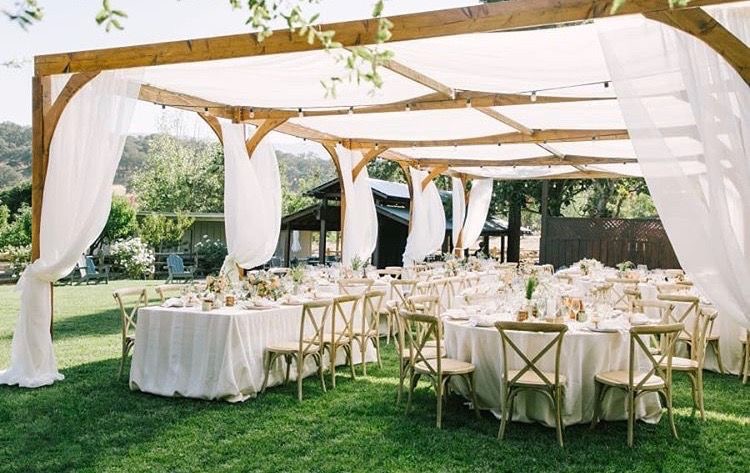
4. Consider budget-friendly venues
Instead of opting for high-end hotel ballrooms, explore alternatives such as community halls, temples, gardens, or private spaces.
With thoughtful, simple décor, these venues can look elegant and welcoming. They also create an opportunity to save a significant portion of your budget without sacrificing the overall experience.
5. Simplify your catering
Food is central to any Indian wedding, but it doesn't need to be excessive to be memorable. Focus on a curated menu with fewer, high-quality dishes rather than an extensive spread.
Hiring an independent Indian caterer can often be more cost-effective than in-house catering while maintaining authenticity and taste.
6. Plan your outfits wisely
With multiple events, outfit expenses can quickly add up. Instead of investing heavily in every outfit, choose one main outfit to splurge on and keep the rest simple.
Explore options such as renting, borrowing, or purchasing from local boutiques. This lets you maintain style without stretching your budget unnecessarily.
7. Use simple and creative décor
Indian weddings are naturally vibrant and visually rich, which means you don't need elaborate decorations to create a beautiful atmosphere.
Simple elements like flowers, lights, fabrics, and traditional accents can transform a space effectively. Involving family members in the décor process can also add a personal, meaningful touch.
8. Hire experienced Indian wedding vendors
Vendors who specialize in Indian weddings understand the flow, traditions, and requirements of each event. Their experience helps avoid mistakes and ensures smoother coordination.
Many vendors offer bundled packages for multiple functions, which can reduce overall costs while maintaining quality.
9. Focus on what truly matters
Not every detail needs to be perfect or expensive. Guests are more likely to remember the food, music, and overall atmosphere than small decorative elements.
By focusing your budget on what truly matters to you, you can create a meaningful and memorable wedding without unnecessary spending.
Bonus tips to save more

Use digital invitations instead of printed cards
Choose seasonal flowers to reduce costs
Keep return gifts simple, or skip them
Combine events to save on venue and catering
These small adjustments may seem minor, but together they can make a significant difference in your overall budget.
A beautiful wedding is about more than money
Planning an Indian wedding in America doesn't have to be stressful or financially overwhelming. With clear priorities, thoughtful planning, and a willingness to simplify, you can create a celebration that feels both special and personal.
At its core, a wedding is about the people, traditions, and moments you share. When you focus on these elements, everything else becomes easier to manage.
A well-planned wedding isn't just affordable. It's meaningful, memorable, and truly reflective of what matters most to you.
Frequently asked questions
Is it possible to have a budget-friendly Indian wedding in the US?
Yes, with careful planning. By managing your guest list, choosing the right vendors, and prioritizing key elements, you can create a beautiful wedding without overspending.
What is the biggest expense in an Indian wedding in the US?
The biggest expenses are usually the venue and catering. Since both are often priced per guest, they significantly impact the overall budget.
How can I reduce costs without compromising the experience?
Focus on what matters most, such as food, music, and guest experience. Simplify décor, limit the guest list, and avoid unnecessary extras to stay within budget.
Is it better to combine wedding events to save money?
Yes. Combining events can help reduce costs related to venues, catering, and logistics. It's an effective way to simplify planning and save money.
Are digital invitations a good option for Indian weddings?
Yes. Digital invitations are cost-effective and convenient. They also make it easier to manage RSVPs and communicate updates with guests.
How early should I start planning a budget wedding?
It's best to start at least 9 to 12 months in advance. This gives you enough time to compare options, secure better deals, and plan everything without rushing.