

There was a time when wedding invitations meant thick paper, embossed lettering, and carefully managed address lists.
Today, weddings look different. Guests are spread across cities and countries, events are more dynamic, and communication happens instantly. In this shift, digital wedding invitations have moved from being an alternative to becoming a practical choice.
Before choosing one, it helps to understand what they offer, where they work best, and how they fit into modern wedding planning.
What are digital wedding invitations?
A digital wedding invitation isn't just a card sent online. It's usually a single link or wedding website that brings together all essential information in one place.
Instead of multiple messages and follow-ups, couples can share:
Event details and schedules
Venue locations
RSVP forms
Accommodation or travel information
Personal elements like photos or their story
In many cases, it replaces not only the invitation but also the entire communication process around the wedding.
Why more couples are choosing digital invites

The growing preference for digital invitations is driven by both practicality and changing expectations around how weddings are planned today. Managing guest communication becomes much easier when everything is centralized, allowing couples to share updates instantly without the need to reprint or resend anything. Guests can also RSVP directly through the invite, giving couples a clear, real-time view of attendance without manual follow-ups.
At the same time, digital invitations help reduce costs by eliminating expenses related to printing, packaging, and delivery. They also make it easier to organize multiple wedding events in one place, ensuring guests have a clear understanding of the schedule. An added benefit is sustainability, as digital invites reduce paper usage and support a more environmentally conscious approach.
Where digital invitations work best
Digital invitations are especially useful when weddings involve complexity or distance, where managing communication manually can become overwhelming. They work particularly well when guests are spread across different cities or countries, making it easier to share information quickly and consistently with everyone.
They're also ideal for weddings with multiple events, changing schedules, or last-minute updates, where flexibility is important. For couples who prefer a more streamlined and organized planning experience, digital invitations provide a simple way to keep everything centralized and easy to manage.
Common concerns before choosing digital invites
Despite their advantages, many couples hesitate due to a few common concerns.
Will it feel less personal?
Digital invitations can still be highly personalized. With custom designs, messages, and photos, they can reflect the couple's style just as effectively as printed cards.
What about older guests?
Not all guests are comfortable with digital formats. A practical solution is a hybrid approach:
Use digital invitations for most guests
Send printed invitations to those who prefer them
This ensures inclusivity while maintaining efficiency.
Will guests take it seriously?
As digital communication becomes more common, guests are increasingly comfortable receiving invitations this way. Clear design and thoughtful wording help maintain formality.
What to look for in a digital invitation platform
Choosing the right platform makes a significant difference in how smoothly your wedding planning experience unfolds. It should be easy to set up and manage without requiring technical expertise, so you're not spending unnecessary time figuring things out. At the same time, the platform should offer enough customization to match your wedding style and make the invitation feel personal rather than generic.
A strong RSVP system is equally important, allowing you to track guest responses clearly and keep everything organized in one place. If your wedding includes multiple events, the platform should handle them without confusion for guests. Since most people will access the invitation on their phones, a seamless mobile experience is essential to ensure everything is easy to view and navigate.
Digital vs. traditional invitations: a practical view
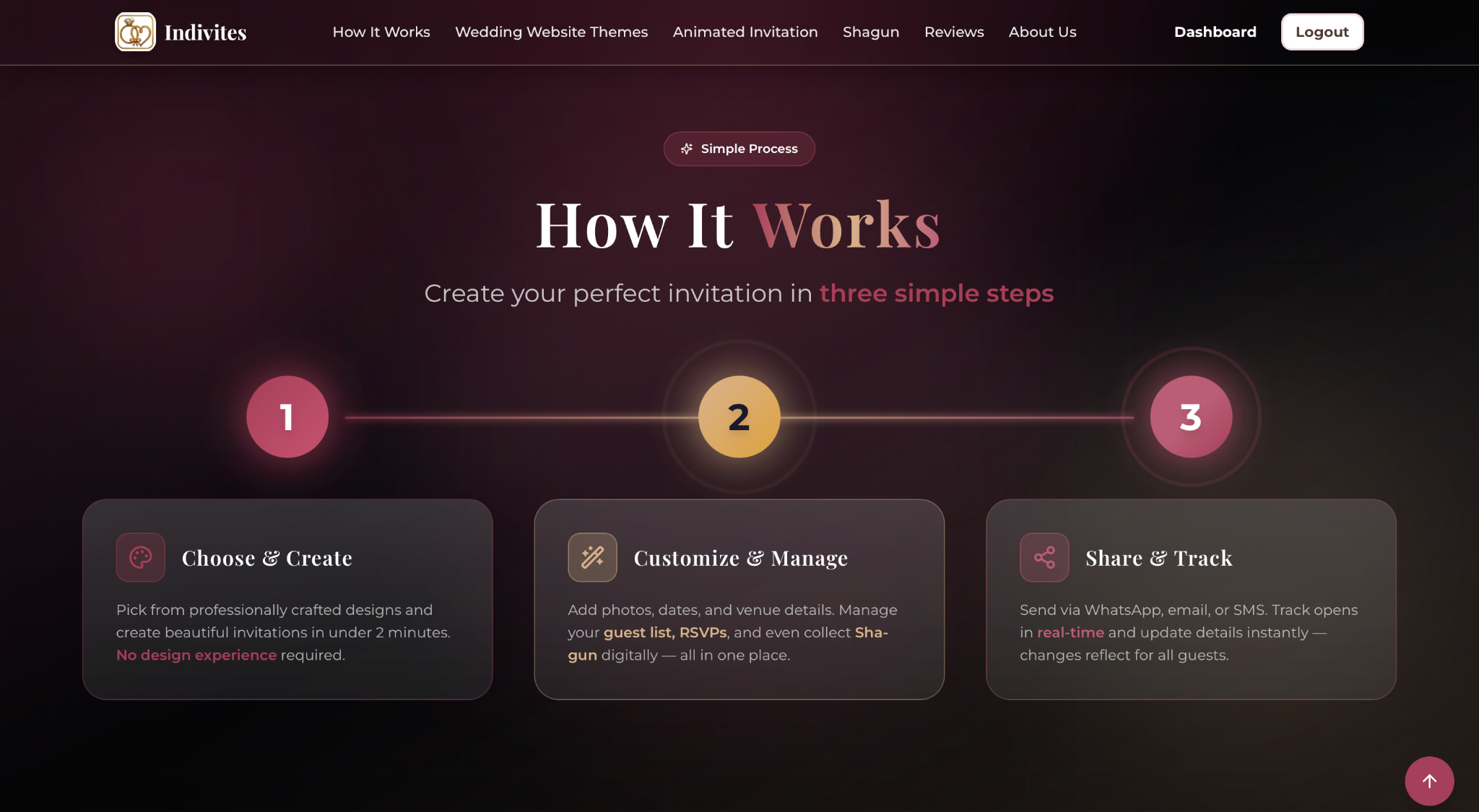
Traditional invitations offer a physical and formal experience that many people still value, especially for close family and important keepsakes. Digital invitations, on the other hand, focus on flexibility, faster communication, better organization, and lower costs, making them more practical for modern weddings.
For many couples, the best approach isn't choosing one over the other but combining both based on their guest list and preferences. This allows them to maintain tradition where it matters while still benefiting from the convenience and efficiency of digital tools.
A more practical way to decide
Instead of asking which option is better, it helps to think about the kind of planning experience you want. Some couples prefer a system that keeps everything organized and reduces manual effort, while others value the familiarity and sentiment of traditional printed invitations.
Both approaches can work well, but they lead to very different experiences in terms of effort, communication, and coordination. The right choice depends on what feels more practical and meaningful for you.
Beyond the invitation
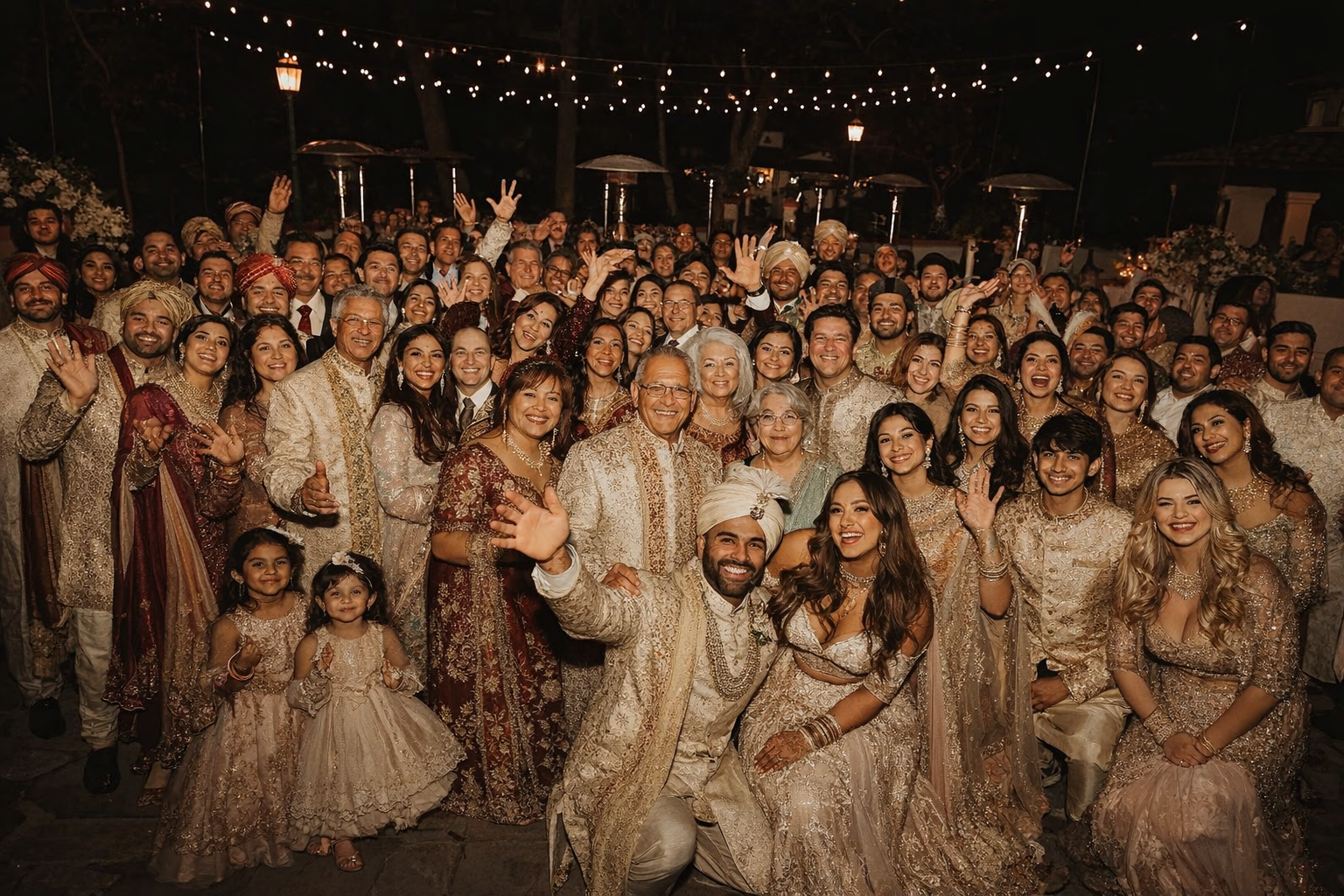
An invitation is more than just an announcement because it sets the tone for the entire wedding. Digital invitations extend that role by continuing to support communication and coordination throughout the planning process, helping reduce confusion and keep guests informed.
In the end, the right choice isn't about following a trend but about choosing a method that makes your wedding easier to manage and more enjoyable for both you and your guests.
Frequently asked questions
Do digital wedding invitations replace traditional invitation cards completely?
Digital invitations can fully replace traditional cards, but they don't have to. Many couples choose to go fully digital for convenience, while others combine both by sending printed cards to close family and using digital invites for wider communication.
How do guests access a digital wedding invitation?
Guests usually receive a link via WhatsApp, email, or text message. This link takes them to a wedding website or invitation page where they can view all event details and RSVP.
Can I update details after sending a digital invitation?
Yes, and this is one of the biggest advantages. You can update event timings, venues, or any other information in real time without needing to resend new invitations.
Are digital wedding invitations suitable for multiple events?
Yes. Digital invitations are especially useful for weddings with multiple functions, as they allow you to organize all events, timings, and locations clearly in one place.
Is it difficult to manage RSVPs through digital invitations?
No. Most digital invitation platforms make RSVP tracking simple by collecting responses automatically, giving you a clear view of who is attending each event.
How do I choose the right platform for digital wedding invitations?
Look for a platform that's easy to use, offers customization, supports multiple events, provides RSVP tracking, and works well on mobile devices. This ensures both you and your guests have a smooth experience.