
Picture the family group chats the week an invitation goes out. A cousin asks for the address. An uncle asks if it’s black-tie. Your grandmother replies with a thumbs-up to a message that didn’t need one.
Weddings have a way of pulling every generation into the same conversation. The nice surprise is that a lot of what Gen Z couples are doing differently ends up making things easier for everyone, including the people who’ve been to forty weddings and have strong opinions about all of them.
This is the playbook: the trends that are working, why parents and grandparents tend to like them, and a simple way to test them out first with something smaller. Diwali, for example.
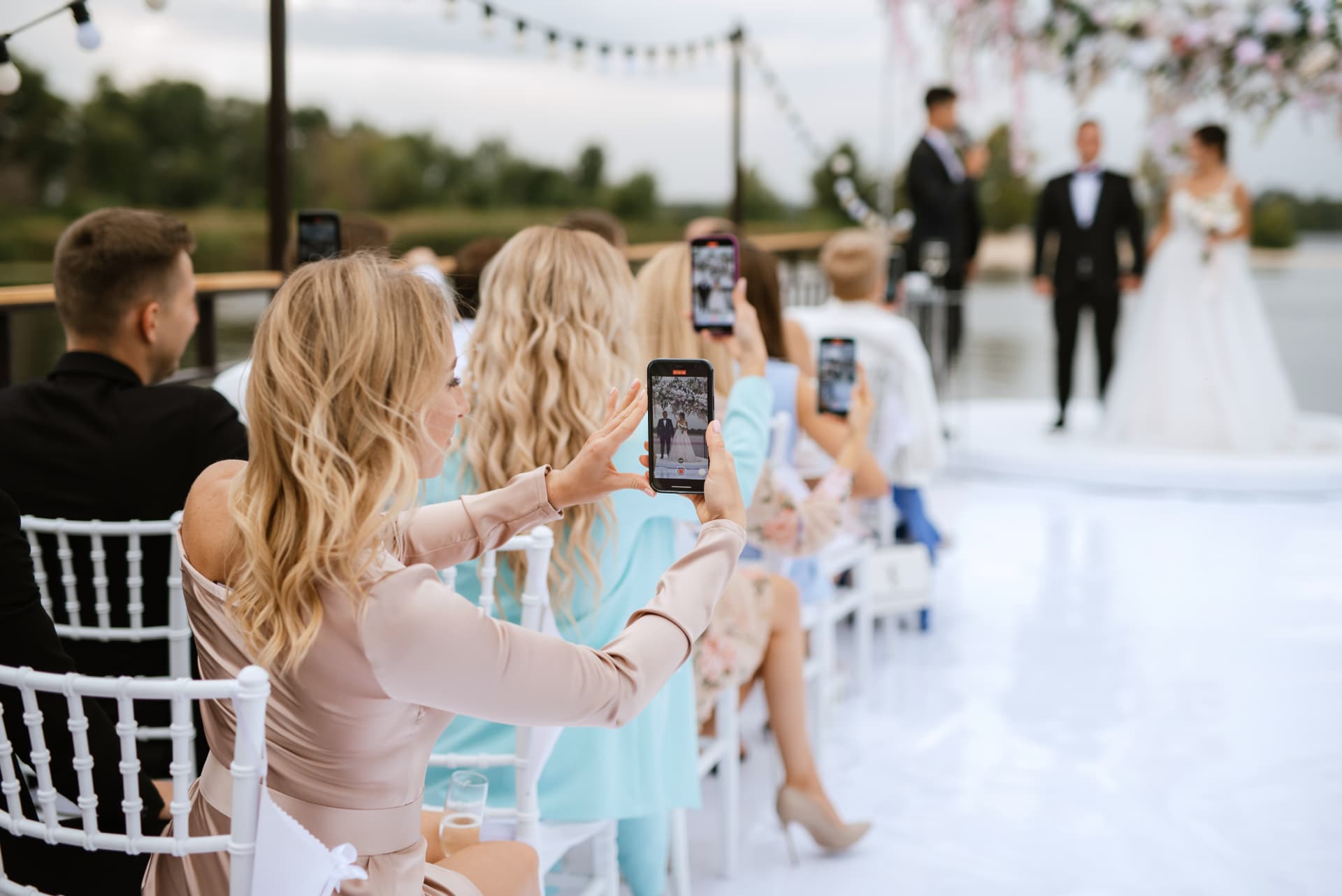
What are Gen Z couples doing differently?
Not everything, and not all at once. Most of the shift comes down to a few habits.
They go digital first. A digital wedding invitation and wedding website replace the pile of cards, missed messages and “wait, what time is the sangeet?” texts. Everything lives behind one link.
They write like themselves. The wording sounds like the couple, with a traditional blessing and maybe one joke in the same paragraph.
They talk about money earlier. A wedding budget planner comes out before they book the venue, and families discuss the number out loud instead of guessing.
They mix traditions. Many Indian weddings bring together different family traditions, faiths or cultures, so couples plan events carefully to help every guest know what to expect.
They care about the details guests feel. Clear schedules, easy RSVPs, a ready seat, food people can eat. Less drama, more comfort.
None of this is exclusive to young people. That’s the whole point.
Why do these trends work for every age?
Because they remove friction, and nobody likes friction at any age. A grandparent doesn’t want to dig through five messages to find the venue. A parent hosting 200 guests wants to see replies in one place. An aunt flying in from abroad wants the time in her own time zone. A link with the schedule, the address and a button to RSVP does all of that, and it does it quietly.
The trick is keeping it respectful. Gen Z couples who get this right keep the traditions and update the delivery. The blessing stays, the ceremony stays, and the logistics become easy.
How can you test the playbook before the wedding?
Send a Diwali e-invite. A Diwali party is a useful little rehearsal for wedding planning. You have a guest list, a date, a mix of ages and a crowd that asks the same questions twice.
If your Diwali e-invite goes smoothly, with your grandmother opening the link, your neighbor RSVPing and your cousin finding the parking details, you’ve just run a trial of the system you’ll use for the big day.
Here’s what to look at, one piece at a time.
What should Diwali invitation wording say?
Say what’s happening, when and where, and sound like yourself. You can pick your tone from these.
Classic and warm: “May the light of Diwali bring joy to your home. We would be delighted to have you join us for Lakshmi Pujan and dinner on [date] at [time]. Please RSVP by [date].”
Relaxed and friendly: “Diwali’s coming, and so is the chai. Come over for good food, good company and way too many sweets. [Date], [time], [address]. Let us know if you can make it!”
Good for every generation: “Join our family for Diwali; Pooja at 6, dinner at 7:30, laughter all evening. Bring the kids, bring the grandparents, bring your appetite. Please RSVP by [date].”
A few small things make wording work for everyone. Use plain language. Put the date, time and address near the top. Say whether kids are welcome and whether there’s a pooja or just a party, so people arrive at the right time.
How do you write a Diwali party invitation?
A Diwali party invitation is easygoing, so it’s fine to be fun. Mention the food, because people love knowing what’s coming. If it’s a drop-in evening, say it. If there’s a sit-down dinner, say that too, so nobody fills up on snacks at home first.
Something like: “Faral, chai, music and a rangoli the kids will definitely help with. Drop by any time between 5 and 9. We’d love to see you.”
If there’s a pooja, put it on a separate line with its own time. That one detail saves a lot of awkward walk-ins mid-aarti.
What makes a good digital Diwali invitation?
A good digital Diwali invitation does a few boring things well, and then it looks pretty.
- One link, all the details. Date, time, address, parking, what’s being served.
- A simple RSVP. One tap, not a form with twelve fields. Elders appreciate this more than anyone.
- Easy sharing. It should work on WhatsApp, text and email, because your guests use all three.
- Readable on a phone. If the text is tiny, the person who most needs the address will miss it.
That list is much like a wedding website’s job, which is why Diwali makes such a good rehearsal.
What makes a Diwali invitation card design work?
Good Diwali invitation card design is about choosing a few details that work well together. You don’t need every diya, marigold and firework on one screen.
Pick one look and let it breathe.
- Traditional: deep reds, golds and marigold orange, with a small diya or rangoli motif.
- Modern: lots of white space, one festive accent and a clean font.
- Playful: bright colors and a cheerful illustration, good for casual get-togethers.
Two rules help across all of them. Make the text big enough for someone reading without their glasses. And keep the date, time and place visible without scrolling, because that’s what people open the card for.
Where does Indivites fit?
Indivites is “where modern weddings come alive.” It’s built for South Asian and multicultural weddings, with a wedding website, digital invites, RSVPs and Shagun, plus Hindu, Sikh and Muslim themes in one place.
That’s the same toolkit this post has been describing: one link, easy RSVPs and a design that feels like you. Try it on a Diwali get-together first if you like, then use it for the big one.
Frequently asked questions
What are the biggest Gen Z wedding trends?
Going digital is the big one: a digital invitation and a wedding website instead of a stack of cards. Then there’s wording that sounds like the couple, early talks about money, mixed traditions and easy-to-find guest details. Notice that most of these make life easier for older relatives too.
Do Gen Z wedding trends work for older relatives?
Mostly, and some of them work better. A grandmother who can open one link and see the venue, the time and an RSVP button is happier than one hunting through texts. The traditions stay the same; only the logistics change.
What should Diwali invitation wording say?
What’s happening, when and where, and when to reply. Say if there’s a pooja and whether kids are welcome. Then write it the way you’d say it to the guest standing at your door.
What is a Diwali e-invite?
It’s the Diwali invitation you send as a link via WhatsApp, text or email, instead of a printed card. Guests open it on their phone, and the date, time and address are all there when they need them.
How do I write a Diwali party invitation?
Keep it light. Say when and where, mention the food (people like knowing), and be clear about whether guests can drop in or should arrive on time. If there’s a pooja, give it its own line and time.
What should a digital Diwali invitation include?
The date, time and address first. Then an easy RSVP and a note or two on parking, dress or whether the evening includes dinner. Check it on your phone before you send it, since that’s where most people will read it.
How do I choose a Diwali invitation card design?
Pick one style and stick to it: traditional with gold and marigold, modern with lots of white space, or bright and playful. Make the text big enough to read without glasses. The key details should be visible without scrolling.
Can I use a Diwali invitation as practice for my wedding invitations?
It’s a good trial run. A Diwali e-invite shows you how people respond to a link, whether your parents can RSVP, and whether the design reads well on a small screen. Better to find that out now than after you’ve invited 200 people to a wedding.