
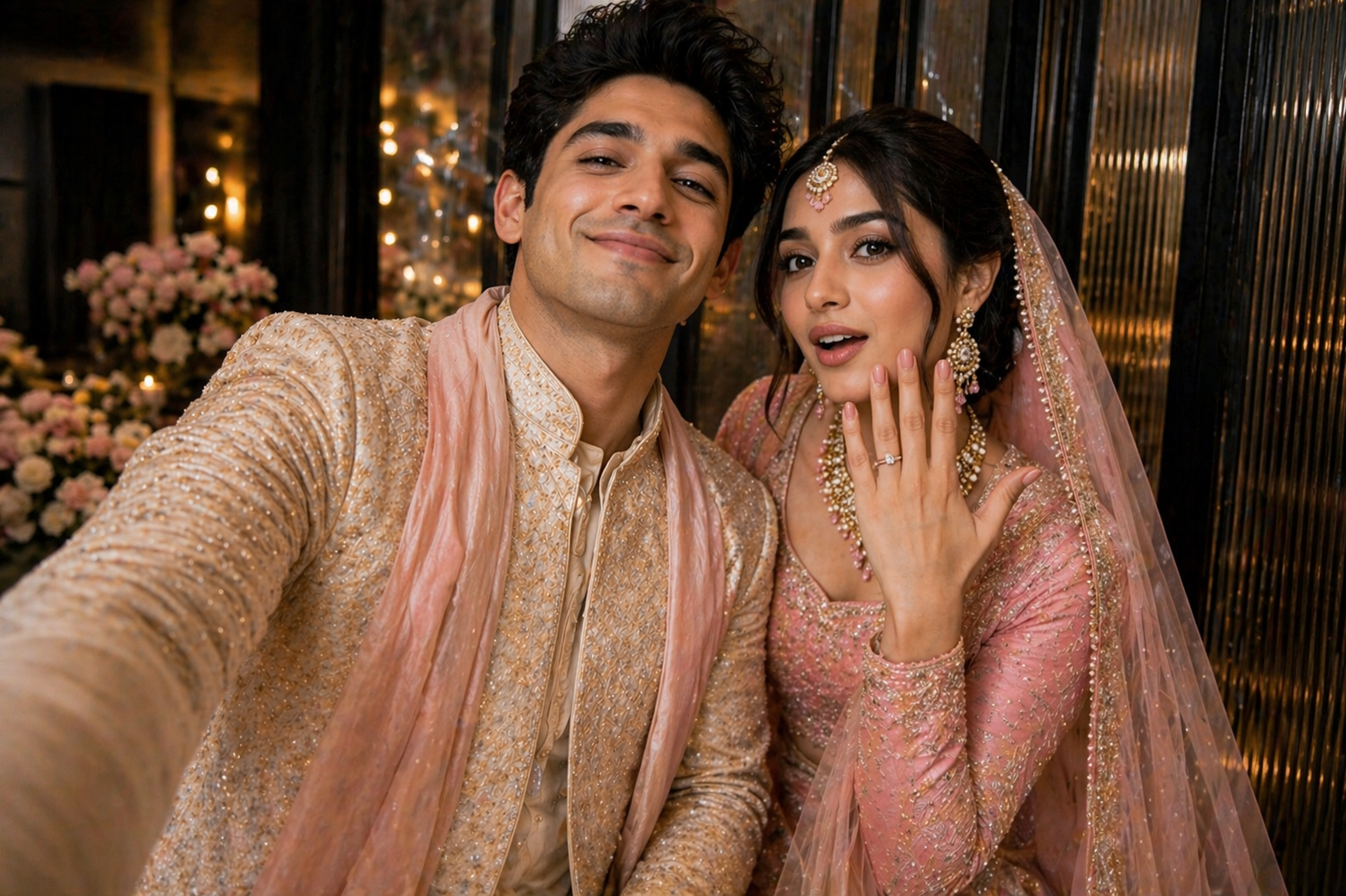
Nobody warns you about the moment the engagement excitement fades and the spreadsheets begin.
One week you're celebrating with family, posting photos, and soaking in the joy of it all. The next week someone sends you a venue quote and your stomach drops. Suddenly the question everyone keeps asking, "so what's your budget?", stops feeling like small talk and starts feeling like a test you haven't studied for.
If you're a Gen Z Indian-American couple planning a shaadi in the USA, that feeling is especially common. Because you're not budgeting for a single Saturday afternoon ceremony. You're planning a mehendi, a sangeet, a baraat, a pheras ceremony, and a reception, spread across two or three days, with hundreds of guests, dozens of vendors, and very likely a mix of your own money and your parents' expectations all in the same room.
The good news is that once you understand the seven factors that actually drive Indian wedding costs in the USA, the number stops feeling random and starts feeling manageable. This guide breaks each one down with real price ranges so you can plan with clarity rather than anxiety.
Gen Z vs millennial spending: what the data actually says
The numbers here are striking. According to The Knot's 2026 Real Weddings Study, which surveyed over 10,000 US couples married in 2025, Gen Z now represents 41 percent of the wedding market in the United States. And yet Gen Z couples are hosting larger weddings than millennials despite tighter budgets, averaging $27,000 compared to millennials' $51,130.
For Indian couples, those numbers look very different. A multi-day Indian wedding in the USA bears almost no resemblance to the average American wedding. Real Indian wedding costs in the US typically run between $100,000 and $250,000 for 200 to 300 guests. That gap between $27,000 and $200,000 represents the scale and scope of what a full South Asian shaadi actually requires.
The average wedding cost in 2025 was $34,000, holding steady year-over-year despite ongoing economic pressures, with couples spending an average of $292 per guest. For Indian weddings with guest lists that routinely run 300 to 500 people, that per-head figure alone tells you everything.
Gen Z couples in the Indian-American community are approaching this reality in two distinct ways. Some are scaling back deliberately, choosing smaller guest lists and fewer events. Others are leaning into the full cultural experience and finding creative ways to fund it, whether through family contribution, structured saving, or phased payments to vendors. Both approaches are completely valid. What matters is going in with eyes open.
The 7 key factors that shape your Indian wedding budget
Factor 1: Guest count
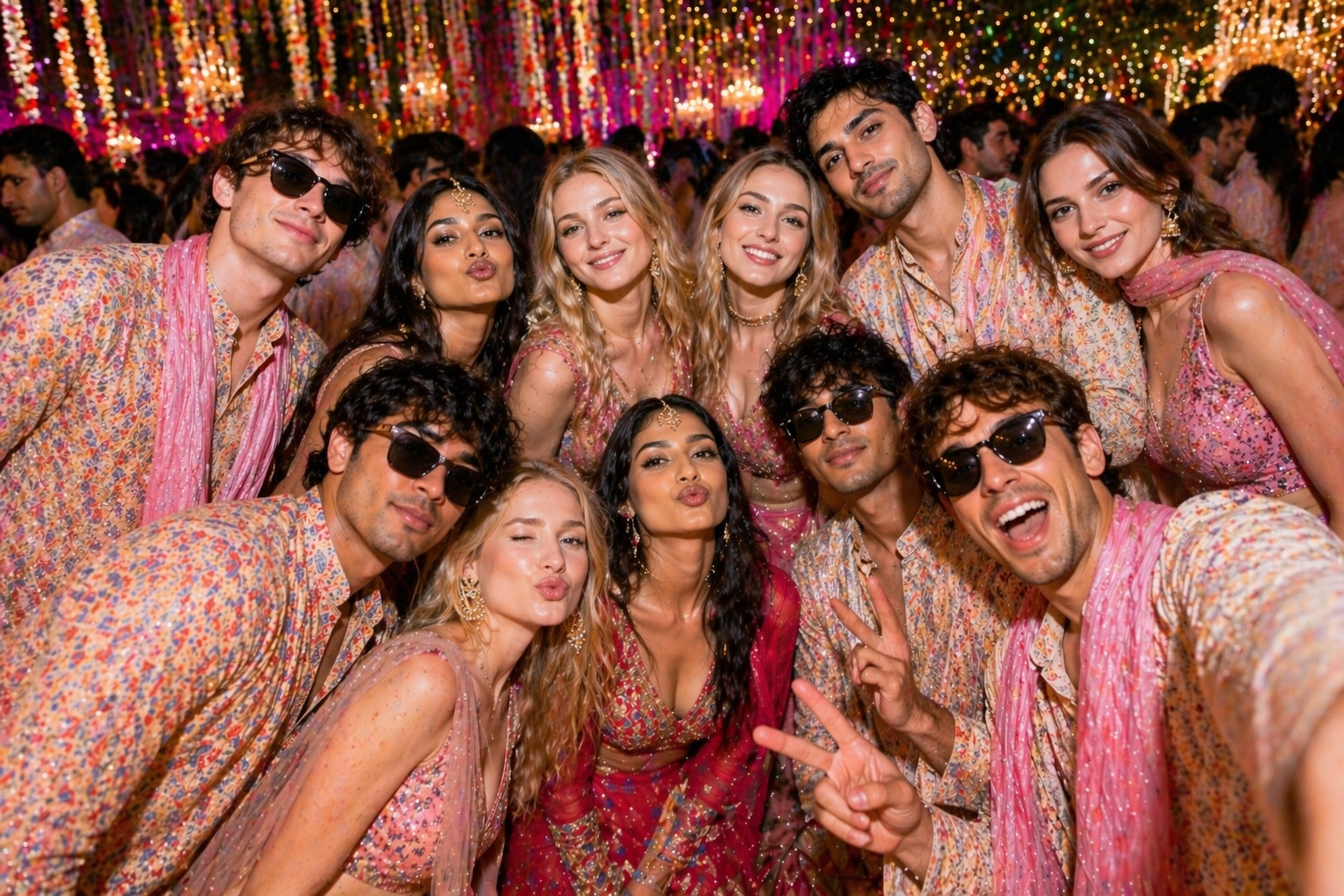
No single decision will shape your budget more than how many people you invite. This is the multiplier that touches everything else, including catering, venue size, decor, invitations, transportation, and favors.
The average cost per wedding guest in 2025 runs between $256 and $375 across the country. Food and beverages are the clearest scaling cost since caterers charge by headcount. For Indian weddings, where catering includes elaborate multi-course menus, chaat stations, mithai displays, and often an open bar, the per-head cost climbs considerably higher.
What to expect:
A 150-person Indian wedding weekend: $60,000 to $100,000 total depending on the city
A 300-person Indian wedding weekend: $120,000 to $200,000 or more
A 400 to 500-person Indian wedding: $200,000 and beyond in premium markets
The most powerful budget lever you have is your guest list. Every person you add ripples across your entire spend.
Factor 2: City and venue
Where you get married has a bigger impact on your total cost than almost any other single variable. Couples getting married in Rhode Island, New Jersey, and New York shell out close to $50,000 for the average American wedding. New Jersey tops the list as America's priciest state to get married, with couples spending about $54,400 in 2025. For Indian weddings in New Jersey, which is home to one of the largest South Asian communities in the country, those numbers climb significantly higher.
For a moderate-sized Indian wedding, expect to spend around $10,000 to $25,000 on the venue itself. For premium banquet halls and hotel ballrooms in New Jersey, the Bay Area, or Chicago that can accommodate 300 or more guests across multiple events, the venue cost alone can reach $30,000 to $60,000.
What to expect by market:
New Jersey, New York, Bay Area: $25,000 to $60,000 for a full Indian wedding venue package
Houston, Atlanta, Dallas: $12,000 to $35,000 for comparable spaces
Smaller cities and off-peak markets: $8,000 to $20,000, with more negotiating room
Many Gen Z couples are choosing to get married in less expensive cities and flying in immediate family rather than paying a New Jersey or Manhattan premium. It is a tradeoff worth calculating carefully.
Factor 3: Number of events
A standard Indian wedding weekend in the USA includes at least three to four distinct events: the mehendi, the sangeet, the wedding ceremony, and the reception. Each event requires its own venue setup, catering, decor, entertainment, and often a separate photographer or videographer arrangement.
Each additional event adds a meaningful layer to your budget:
Mehendi event: $3,000 to $10,000 including mehndi artists, light catering, and decor
Sangeet: $8,000 to $25,000 including entertainment, stage decor, DJ or live music, and full dinner catering
Wedding ceremony and reception combined: $50,000 to $150,000 or more depending on guest count and city
One practical approach many Gen Z couples are using is combining the mehendi and sangeet into a single evening. This reduces venue costs, simplifies vendor coordination, and can save $10,000 to $20,000 without sacrificing the cultural experience.
Factor 4: Photography and video
Photography is the one investment your entire family will argue about after the wedding. Auntie ji will want a highlight reel. Your parents will want traditional portraits. And you'll want something that looks incredible on Instagram. For a multi-day Indian wedding, this means you need a team, not just a single photographer.
Professional wedding photographers charge between $2,500 and $10,000 for their services, and these costs are expected to rise. For Indian weddings with multi-day coverage, drone shots, a second shooter, and a cinematic highlight film, the numbers go significantly higher.
What to expect for full Indian wedding photography and video:
Budget tier: $4,000 to $7,000 for photography only, single-day or limited coverage
Moderate tier: $8,000 to $15,000 for full multi-day photo and video coverage
Premium tier: $18,000 to $30,000 or more for top Indian wedding specialists with cinematic reels and same-day edits
Book your photographer and videographer immediately after your venue is confirmed. The best Indian wedding photographers in markets like New Jersey, Houston, and the Bay Area are routinely booked 12 to 18 months out.
Factor 5: Catering
Indian wedding catering is in a category of its own. You are not serving a plated three-course meal to 100 people. You are feeding 300 to 500 guests across multiple events, with regional dishes, vegetarian and non-vegetarian spreads, live chaat stations, dessert displays, and often an open bar at the reception.
Per plate cost for Indian catering ranges from $30 to $120 depending on cuisine and service style. Plated meals cost 15 to 25 percent more than buffet service. Alcohol packages for premium brands and open bars can run $10,000 to $30,000.
What to expect for Indian wedding catering across the full weekend:
Budget tier (200 guests, buffet style, limited bar): $20,000 to $35,000
Moderate tier (300 guests, full buffet with live stations, bar at reception only): $40,000 to $65,000
Premium tier (400 plus guests, multi-station, open bar all events, dessert spread): $70,000 to $120,000 and beyond
Many Gen Z couples are choosing to serve alcohol only at the reception rather than across all events. This one decision can save $10,000 to $20,000 on a full wedding weekend.
Factor 6: Decor and florals
Mandap design, marigold strings, rose petal setups, entrance arches, sangeet stage backdrops, centerpieces, and lighting are the visual language of an Indian wedding. They are also one of the most flexible parts of your budget, with one major caveat: Indian wedding decor is genuinely expensive at scale.
For a standard wedding, anticipate spending between $5,000 to $15,000 on decor, encompassing floral arrangements, lighting, and thematic elements. For a full Indian wedding weekend with a decorated sangeet stage, ceremony mandap, and reception hall, the real number is considerably higher.
What to expect for Indian wedding decor and florals:
Budget tier (minimal florals, rented mandap, simple centerpieces): $8,000 to $18,000
Moderate tier (custom mandap, fresh florals across two to three events, themed decor): $20,000 to $40,000
Premium tier (elaborate floral installations, imported flowers, decorated entrance and all event spaces): $45,000 to $80,000 and beyond
One tip that experienced Indian wedding planners recommend: repurpose decor elements across events. Floral arrangements from the mehendi can often be repositioned for the sangeet, and certain mandap elements can carry over to the ceremony, reducing overall floral spend by 15 to 25 percent.
Factor 7: Family contribution
This is the factor no wedding blog talks about plainly enough, and it shapes more Indian wedding budgets than anything else.
For many Indian-American Gen Z couples, the wedding is not purely self-funded. Parents, in-laws, and extended family members contribute in ways that range from covering the entire celebration to funding specific events or vendors. According to The Knot's research, over half of couples funded their honeymoon entirely on their own while the remaining half received financial support from parents and gifts from wedding guests. For the wedding itself, family contributions in the Indian-American community tend to run much deeper.
The dual reality looks like this:
Self-funded Gen Z couples: typically planning smaller guest lists of 100 to 150 people, combining events, and prioritizing photography and venue over decor
Family-contribution weddings: often driven by parents' expectations around guest count, venue prestige, and the number of events, with budgets that reflect community norms rather than the couple's personal finances
If your family is contributing, have the budget conversation before any vendor deposits are paid. Understand who is paying for what, whether there are strings attached to specific choices, and how decisions will be made when opinions differ. Getting clarity on this early saves enormous stress later.
Quick Indian wedding budget planning checklist

A simple reference to keep you grounded throughout the planning process:
Establish your total budget before talking to any vendors
Have the family contribution conversation early and get clarity on who controls which decisions
Decide on your guest count first since everything else flows from that number
Choose your city and venue tier before finalizing your overall budget
Decide how many events you are hosting and whether any can be combined
Book your photographer and videographer immediately after the venue is confirmed
Get at least three catering quotes and ask each caterer to visit your venue before pricing
Ask your decorator about repurposing floral arrangements across events
Build a 10 to 15 percent contingency buffer into your total budget for last-minute costs
Review every vendor contract for payment schedules and cancellation clauses before signing
Frequently asked questions
How much does the average Gen Z Indian wedding cost in the USA? Based on current 2025 market data, a full multi-day Indian wedding in the USA typically costs between $55,000 and $210,000 depending on guest count, city, and the number of events. Gen Z couples with smaller guest lists and combined events can plan meaningful celebrations closer to the $55,000 to $100,000 range, while larger family-expectation weddings in premium markets like New Jersey or the Bay Area regularly exceed $150,000 to $200,000.
What is the single biggest cost driver in an Indian wedding? Guest count is the most powerful budget driver because it multiplies across catering, venue size, decor, invitations, and transportation. After guest count, the city where you get married has the next biggest impact on your total spend.
How are Gen Z Indian-American couples managing wedding costs differently from millennials? Many Gen Z couples are making deliberate trade-offs: choosing smaller, more curated guest lists, combining mehendi and sangeet into one evening, self-funding rather than relying entirely on family contribution, and prioritizing photography and experience over maximum decor. According to The Knot's 2026 Real Weddings Study, Gen Z couples are hosting larger weddings than millennials despite tighter budgets, averaging $27,000 compared to millennials' $51,130 in the broader US market, though Indian wedding costs run significantly higher due to multi-day event structures.
Should Gen Z Indian couples accept family money for the wedding even if it comes with conditions? This is a deeply personal decision and one that comes up in nearly every Indian-American family. The practical advice from experienced planners is to have explicit conversations about what family contribution covers, who makes decisions about those specific elements, and where the couple has full autonomy. Clarity before any deposits are paid prevents conflict during planning.
Is it possible to have a meaningful Indian wedding in the USA for under $75,000? Yes, with deliberate choices. Keeping your guest list under 150, hosting in a mid-cost city like Houston, Atlanta, or Raleigh, combining the mehendi and sangeet into one evening, and prioritizing catering and photography over elaborate decor can bring a genuinely beautiful and culturally rich shaadi in under $75,000. It requires trade-offs but it is absolutely achievable.