
Every Indian wedding reaches the same moment. The excitement settles, the families sit down with their lists, and someone asks the question that can quietly unravel weeks of goodwill. Who is invited to which function? It sounds like a simple logistics task. In reality, it is one of the most emotionally charged parts of planning an Indian wedding, because in our families an invitation is never just an invitation. It is a statement about closeness, respect, and belonging.
This guide is about getting through that process with your relationships intact. Not the seating chart, not the catering numbers, but the harder human question of how to decide who joins which celebration without anyone feeling left out, and without a family war breaking out over the guest list.
Why The Guest List Is So Hard In Indian Weddings
In a single-day wedding, the question is simple. Someone is either invited or they are not. An Indian wedding makes it far more delicate, because there are several functions, and each one carries a different level of intimacy.
The haldi and the mehndi are usually small and personal. The sangeet is a larger party. The reception is often the biggest gathering of all. This means a guest is not simply in or out. They might be invited to the reception but not the haldi, and that distinction, however practical, can be read as a comment on how close they are to the family. As one wedding expert put it, when a relative pushes to be included, what they are really saying is that they want to feel represented and valued. That is the real reason this is hard. You are not sorting names. You are handling feelings.
Start With Honest Circles Before You Start With Names
The most useful thing you can do is stop thinking about individual people at first, and instead agree on the circles of closeness before anyone starts naming names. When you start with names, every entry becomes a debate. When you start with clear groups, the names mostly sort themselves.
A simple structure that works for most families looks like this.
Circle
Who they are
Typically invited to
Inner circle
Immediate family and closest friends
Every function, including haldi and mehndi
Close circle
Extended family and good friends
Sangeet, ceremony, and reception
Wider circle
Family friends, colleagues, distant relatives
Reception, and sometimes the sangeet
Courtesy invites
Acquaintances and social obligations
Reception only
Agreeing on these tiers as a family, before the arguments start, turns an emotional fight into a calmer set of decisions. Once everyone accepts the logic of the circles, placing a person becomes a question of which circle they belong to, rather than a personal judgement made in the moment.
Give Both Families A Fair And Equal Share
Much of the tension in Indian wedding guest lists comes not from the couple but from the two families, and especially from parents who have their own lists and their own social obligations. A parent inviting their friends is not being difficult. For them, the wedding is also a moment of pride and standing in their community.
The fairest approach is to agree early on rough numbers for each side and each function, so that nobody feels squeezed out. If one side has a far larger family, talk about it openly rather than letting resentment build. Giving parents ownership of a portion of the list, within agreed limits, respects their role and removes a huge source of conflict. The goal is not to win the guest list. It is to make both families feel the wedding is theirs too.
How To Handle The Reception Only Invite With Care
The most awkward situation is the guest you want at the reception but not at the smaller functions. This is completely normal and entirely reasonable, but it needs to be handled gently, because a clumsy version can cause real hurt.
The key is clarity and warmth. Make sure each guest clearly understands which events they are invited to, so nobody arrives at a function expecting to attend something they were not asked to, and nobody feels accidentally excluded from something they assumed they were part of. Confusion is what causes the offence, far more than the invitation itself. When a guest knows exactly where they are welcome, and is invited warmly, most people understand completely. Families have always known that not everyone comes to everything. What stings is finding out in the wrong way.
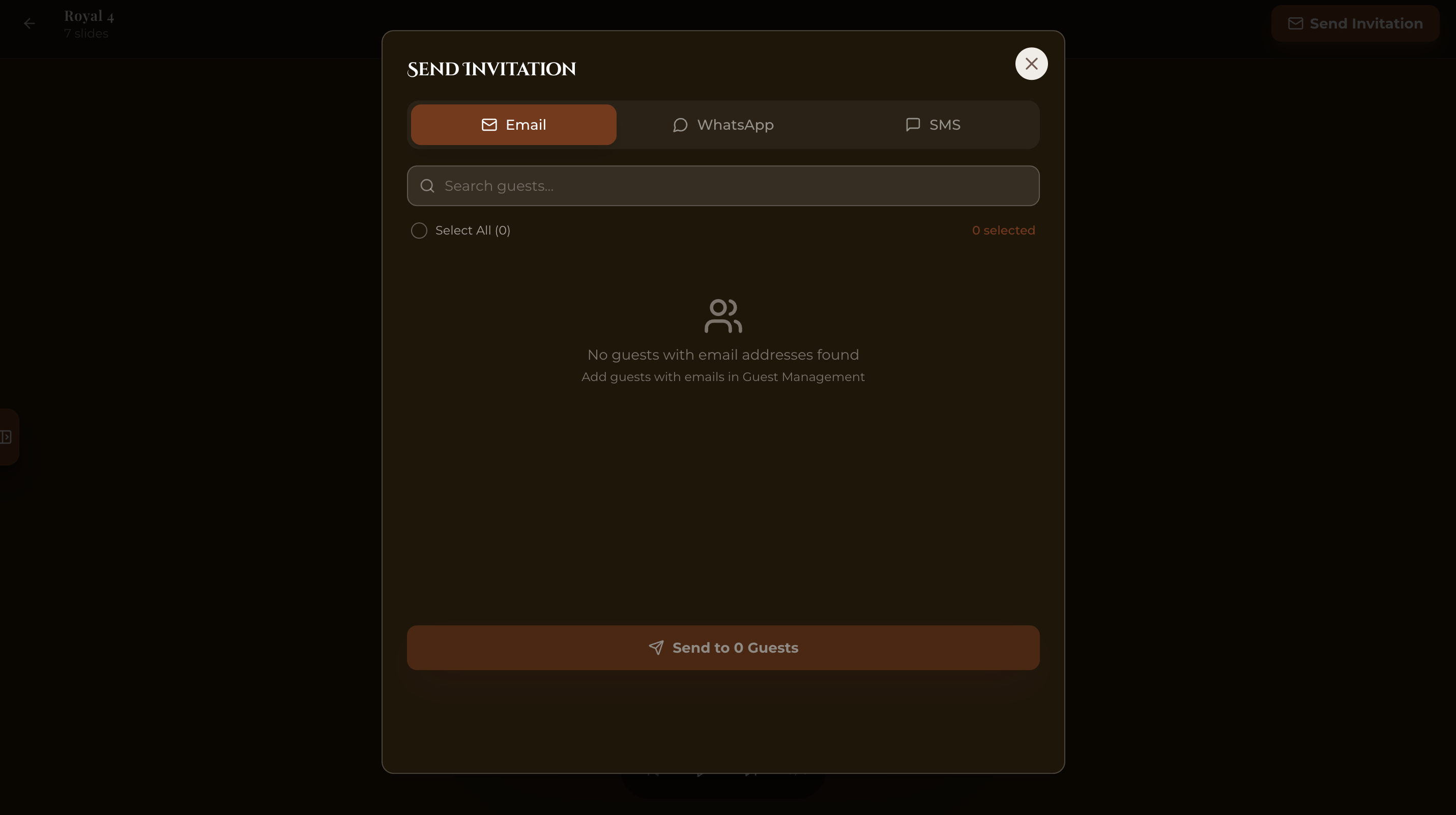
This is also where the practical side and the emotional side meet. Sending the right details to the right people, so each guest sees only the events meant for them, removes most of the awkwardness before it can begin. It is one of the reasons platforms built for Indian weddings, such as Indivites, let couples invite specific guests to specific functions, so the reception-only guest simply sees a warm invitation to the reception and nothing that makes them feel left out.
What To Do When Someone Is Hurt Anyway
Even with the best planning, someone may still feel hurt. Accept early that you cannot please everyone, because in a large Indian family that is simply true. What you can do is respond with kindness rather than defensiveness.
If a relative is upset, listen first. Often they do not actually need to attend the haldi. They need to feel that they matter to you. A warm phone call, an explanation of why the smaller functions are being kept intimate, and a genuine expression of how much you want them at the reception can resolve far more than a longer guest list ever could. The feeling underneath the complaint is usually about belonging, and belonging can be offered in words as well as invitations.
The Goal Is Belonging Not Ranking
It helps to remember why you are doing all of this. The guest list is not a ranking of who matters most. It is an attempt to give every circle of people the right moment to share in your celebration, in a way that fits the size and intimacy of each function.
Decide your tiers before your names. Give both families a fair and honest share. Be clear and warm about who is invited to what. And when feelings get hurt, lead with kindness rather than logic. Do that, and you will get through the hardest part of planning with your guest list sorted and your family still speaking to each other, which, in an Indian wedding, is its own kind of victory.
Frequently Asked Questions
1. How do I decide who to invite to which wedding function? Start with circles of closeness rather than individual names. Agree as a family on tiers, such as inner circle, close circle, wider circle, and courtesy invites, then place each guest in a circle. This turns an emotional debate into a calmer set of decisions.
2. Is it rude to invite someone to the reception but not the smaller functions? No, it is completely normal and reasonable. The smaller functions like the haldi and mehndi are often kept intimate. What matters is clarity and warmth, so the guest clearly knows which events they are invited to and feels genuinely wanted at the reception.
3. How do I handle disagreements between both families over the guest list? Agree early on rough numbers for each side and each function so nobody feels squeezed out. Giving parents ownership of part of the list, within agreed limits, respects their role and removes a major source of conflict.
4. How can I avoid confusion about who is invited to what? Make sure each guest sees only the events they are invited to, so nobody arrives expecting the wrong function or feels accidentally left out. Platforms built for Indian weddings, such as Indivites, let couples invite specific guests to specific functions to prevent exactly this.
5. Can Indivites help with the awkward part of guest-list planning? Yes. Because Indivites lets you send the right details to the right people, a reception-only guest simply sees a warm invitation to the reception and nothing that makes them feel excluded, which removes much of the awkwardness before it begins.