

Planning a wedding is often described as one of the happiest times in your life. It can also feel overwhelming. Between managing budgets, coordinating vendors, and meeting expectations, the process can quickly become stressful.
The good news is that it doesn't have to be.
With the right approach, you can plan your wedding in a way that feels organized, enjoyable, and genuinely stress-free. This guide breaks the process into clear, manageable steps so you can stay in control and enjoy the journey to your big day.
Why wedding planning feels so overwhelming
Wedding planning brings together multiple high-pressure elements at once. You're making dozens of decisions, managing finances, and often trying to meet the expectations of family and friends.
A major cause of stress is decision fatigue. From choosing the venue to picking flowers, every detail demands attention. Add budget constraints and time pressure, and it's easy to feel overloaded.
Here's the key: overwhelm doesn't come from the wedding itself. It comes from a lack of structure. Once you break the process into manageable steps, everything becomes far more doable.
A step-by-step guide to stress-free wedding planning
Step 1: Define your wedding vision
Before diving into logistics, take time to define what you truly want. Do you envision an intimate ceremony or a grand celebration? Traditional, or something modern and minimal?
Sit down with your partner and align on:
Guest count
Overall vibe and style
Top three priorities (food, photography, or venue)
A clear vision becomes your decision-making filter and helps you avoid unnecessary stress later.
Step 2: Set a realistic budget
Your budget is the foundation of your entire wedding plan. Start by listing all major expenses:
Venue
Catering
Photography
Décor
Clothing
Then add a 10 to 15 percent buffer for unexpected costs. Be honest about what you can afford and focus your spending on what matters most. A clear budget prevents financial stress and keeps your planning grounded.
Step 3: Create a wedding planning timeline
Instead of trying to do everything at once, break your planning into phases. A simple timeline might look like:
12 months before: set budget and book venue
9 months before: hire key vendors
6 months before: finalize details and send invitations
3 months before: confirm arrangements
Focus on weekly tasks rather than the entire checklist. This makes the process feel manageable and keeps you moving forward consistently.
Step 4: Choose the right venue early
Your venue sets the tone for your entire wedding and influences many other decisions. Look for venues that:
Match your vision
Fit your budget
Offer packages (catering, décor, coordination)
Booking the right venue early can significantly reduce planning stress by simplifying logistics and minimizing the number of vendors you need to manage.
Step 5: Hire reliable vendors
Your vendors play a crucial role in how smoothly your wedding runs. Key vendors include:
Photographer
Caterer
Makeup artist
Wedding planner (if needed)
Take time to read reviews, compare options, and communicate clearly. Booking trustworthy professionals lets you relax, knowing experienced people are handling the important details.
Step 6: Delegate tasks
You don't have to do everything yourself. Assign responsibilities to friends, family, and your partner. One person can manage guest coordination while another helps with décor setup.
If your budget allows, hiring a wedding planner can be a game-changer. Delegating frees up your time and reduces your mental load.
Smart tips to stay stress-free during wedding planning
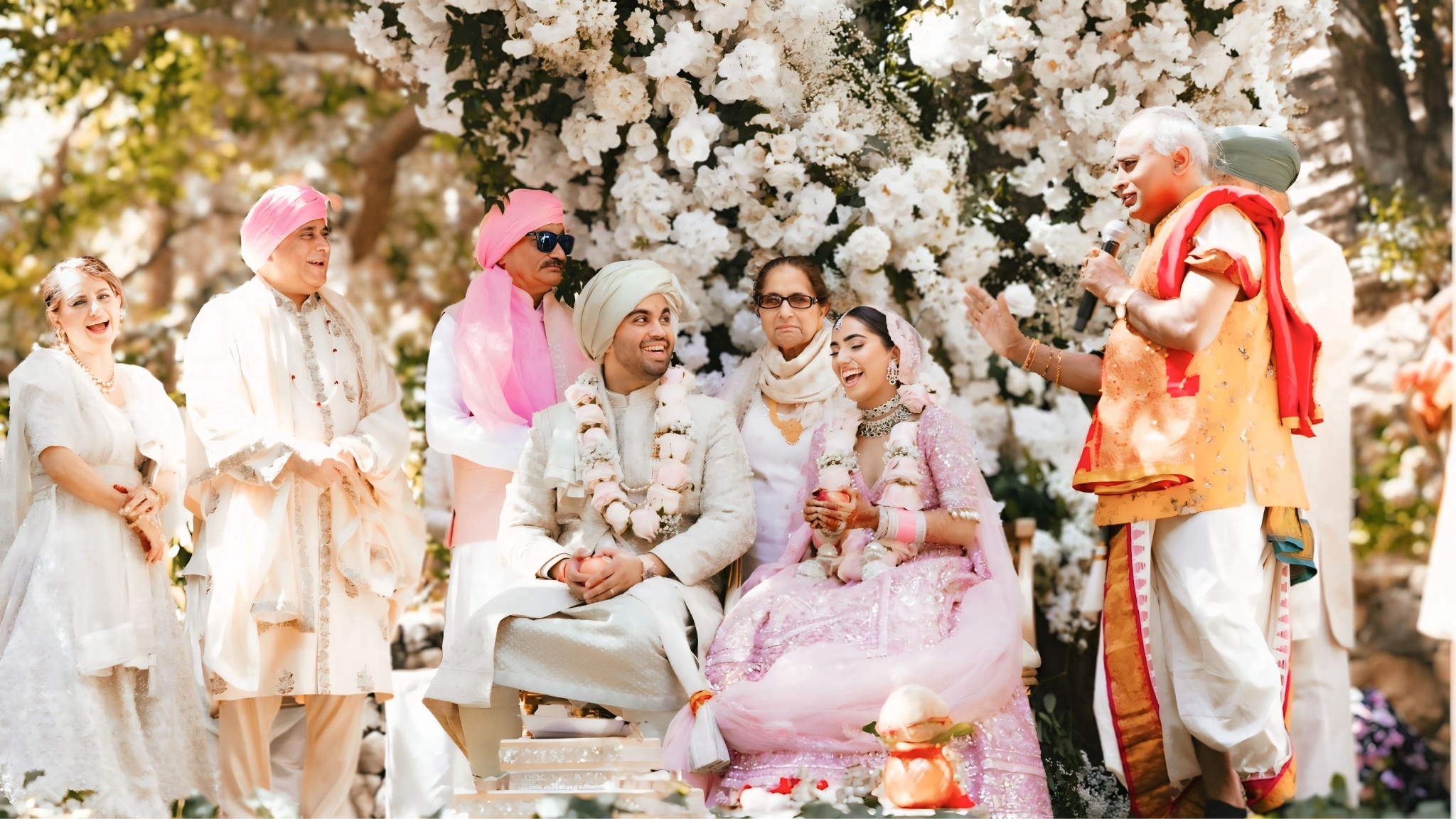
Even with a solid plan, managing your mindset is essential. A few practical ways to stay calm and organized:
Limit your choices. Too many options lead to decision fatigue. Narrow things down quickly.
Schedule wedding-free days. Take breaks where you don't discuss planning at all.
Stay organized. Use checklists, apps, or spreadsheets to track progress.
Communicate openly. Maintain clear communication with your partner and vendors.
Focus on what matters. Not every detail needs to be perfect.
Your wedding is about celebrating your relationship, not executing a flawless event.
Common wedding planning mistakes to avoid
Avoiding these common mistakes can save you a lot of stress:
Trying to please everyone. Focus on what you want.
Ignoring your budget early. Overspending creates pressure later.
Overcomplicating details. Simplicity often leads to elegance.
Not having a backup plan. Always prepare for unexpected situations like weather changes.
Being aware of these pitfalls helps you stay in control and avoid unnecessary complications.
Quick wedding planning checklist

A simple checklist to keep you on track:
Set your budget
Define your wedding vision
Book your venue
Hire key vendors
Create a guest list
Send invitations
Plan your timeline
Confirm all arrangements
What really matters in the end
Wedding planning doesn't have to feel overwhelming. With a clear plan, realistic expectations, and the right support, it can become an enjoyable and meaningful experience.
There may be moments of stress along the way, and that's completely normal. What matters most is staying focused on the bigger picture: celebrating your commitment and creating lasting memories.
At the end of the day, your guests won't remember every detail. They'll remember the joy, the atmosphere, and the love you shared. So take a deep breath, trust the process, and enjoy every step of this special journey.
Frequently asked questions
How do I plan a wedding without stress?
Start with a clear plan, set priorities, create a timeline, and delegate tasks. Staying organized and focusing on what truly matters helps reduce stress significantly.
What is the first step in wedding planning?
The first step is defining your wedding vision, including your style, guest count, and priorities. This guides all future decisions.
How long does it take to plan a wedding?
Most weddings take 9 to 12 months to plan, but smaller weddings can be organized in a shorter timeframe.
Is hiring a wedding planner worth it?
Yes, especially if you have a busy schedule or want to minimize stress. A wedding planner can handle logistics, coordination, and problem-solving.