
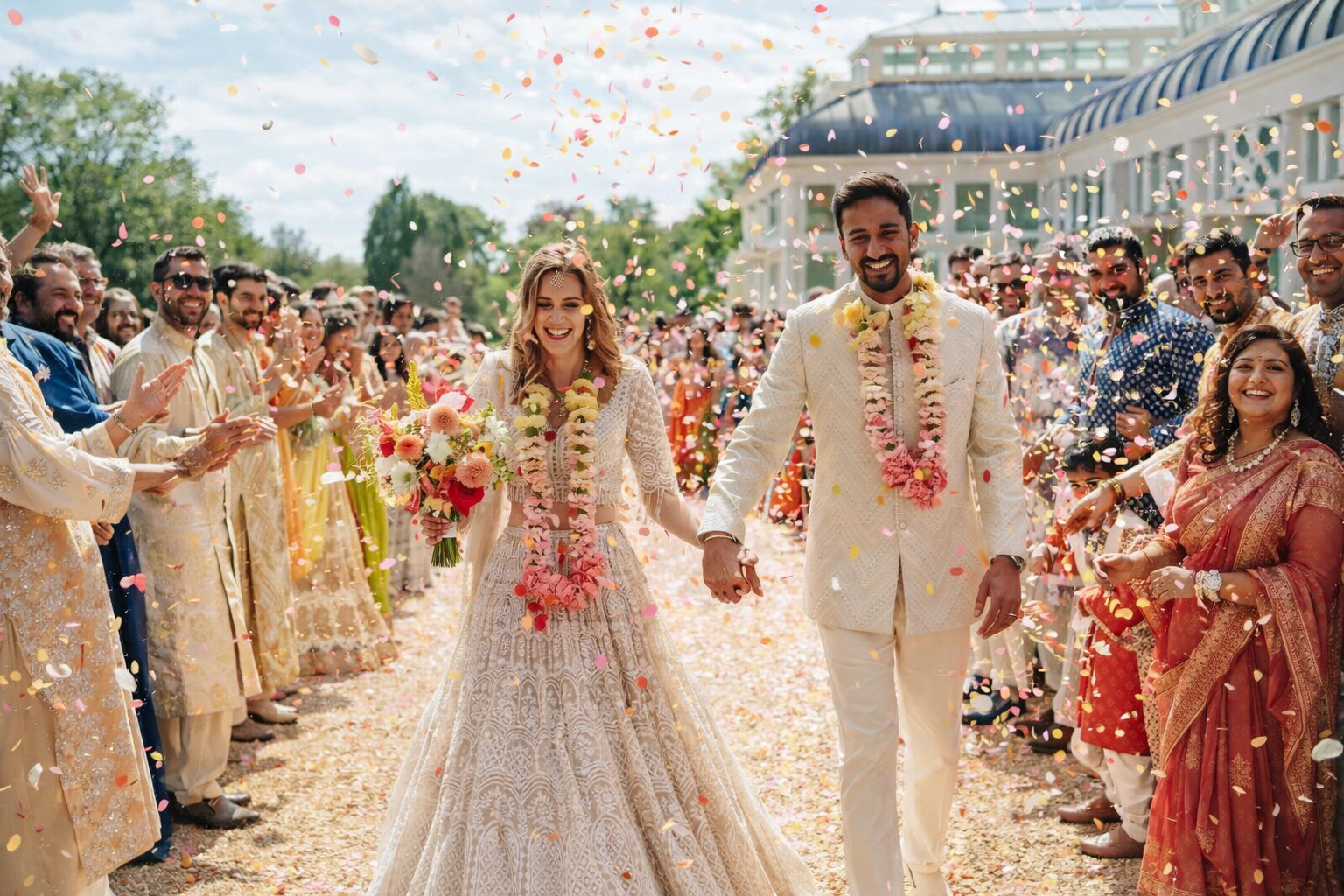
Every year we learn a lot about how couples plan their weddings, and every year the headlines focus on what is new. New apps, new looks, new ways of spending. But when you read the 2026 numbers slowly, the most interesting thing is not how much weddings have changed. It is how clearly they show something that has not changed at all. Under all the trends and the technology, couples are asking for the same thing they have always wanted. They want more time with the people they love, all in one place, to mark a moment that matters. The details look modern, but the wish underneath them is old and very steady. Once you see that wish, you understand a wedding far better than any single trend can explain.
Why Weddings Are Slowly Getting Longer Every Year
One of the clearest signs in the recent data is that one wedding day is no longer enough for many couples. According to Zola's 2026 First Look Report, 37% of couples now host at least one extra event beyond the main day, like a welcome party or a goodbye brunch, and 18% plan a full wedding weekend that runs across two or three days. This is called a growing trend, and for the typical Western wedding it really is one.
It helps to think about what this trend is really telling us, because the reason behind it is simple and very human. Couples are not adding events just to fill time or to spend more. They add them because a few hours on a single evening cannot hold everyone they care about, or give each person the time they deserve. A welcome party means travelling guests feel looked after the moment they arrive. A brunch the next morning means the goodbyes are not rushed. So the move toward longer weddings is really a move toward more time together. Many cultures worked this out a long time ago and built it into how they celebrate.
How Couples Are Choosing What Is Real Over What Looks Good Online
The same report shows that social media now shapes wedding choices for most couples. In fact 87% say they have made a planning decision based on something they saw online. It also finds that trying to match a real budget to online ideas is the biggest cause of planning stress, named by 60% of couples. Put together, these numbers show a real tension that did not exist a generation ago. Every couple is quietly comparing their own wedding to thousands of others on a screen.
The good news in the data is how many couples are pushing back. A large share say they care more about a wedding that feels true to them than one that simply looks good online. Many say they want their day to feel personal and private, not staged for an audience. This is a quiet but important shift. The couples of 2026 are still inspired by what they see, but they are clearer that the point is not to impress strangers. The point is to make something that feels real to them and means something to the people actually there. Technology has made the comparing louder, but it has not changed what couples are really after.
Why Couples Are Keeping Their Traditions Instead Of Dropping Them
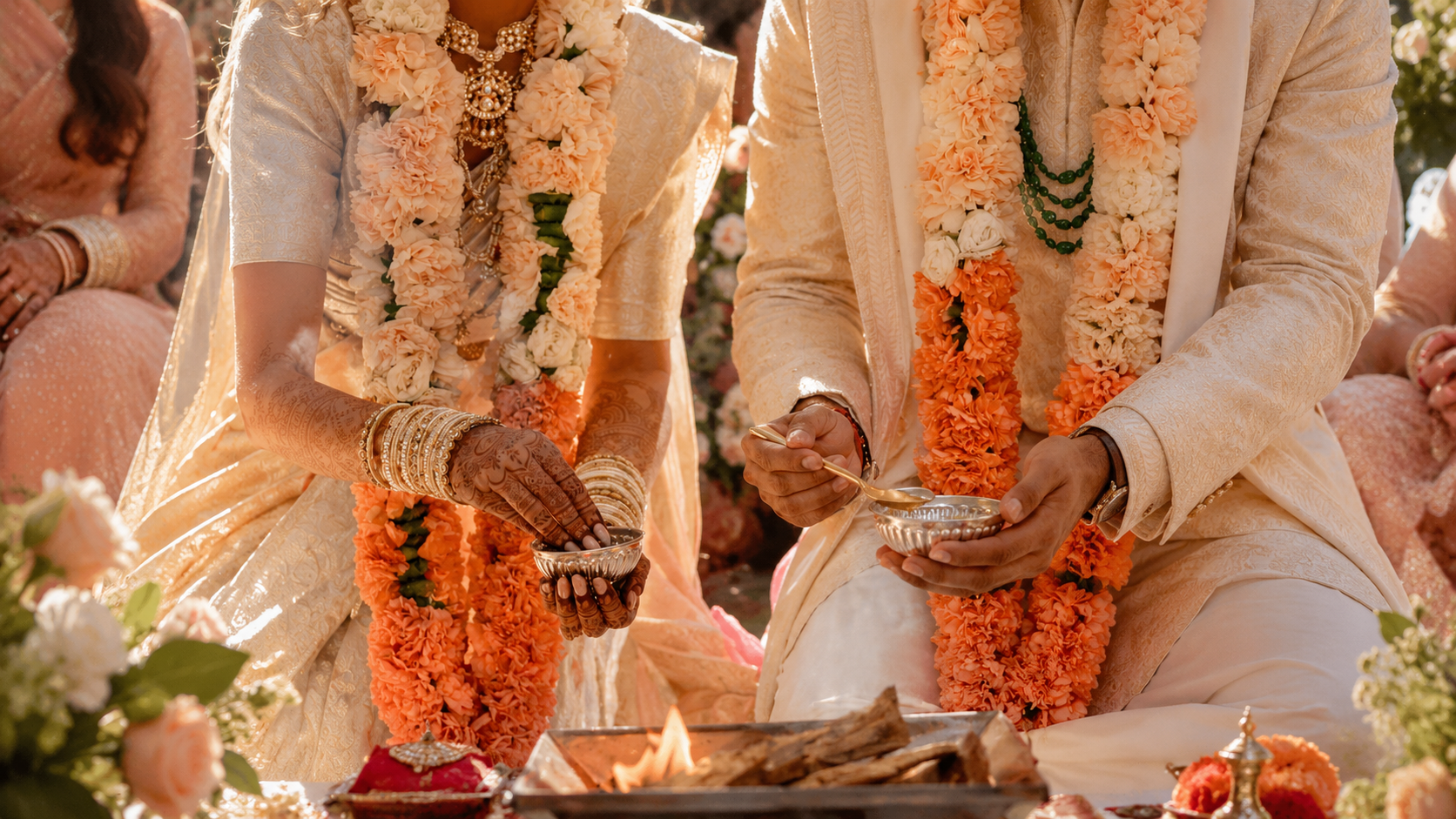
It would be easy to think modern couples are leaving tradition behind, but the data shows the opposite. In 2026 we see couples bringing back classic parts of the wedding on purpose. Younger couples especially are choosing to keep the rituals that mean something to them while changing the parts that no longer fit. Religious customs, family involvement, and long-standing ceremonies are being welcomed rather than dropped, often by the very couples you would expect to be the most modern.
This tells us something worth holding onto. Tradition lasts not because someone forces it, but because it does a job nothing else does as well. A ritual gives a wedding weight. It links the couple to the people who came before them and to the family standing around them on the day. When couples keep these things, they are choosing belonging and a sense of roots. They want their wedding to feel grounded, not throwaway. The exact customs look very different from one family and one culture to the next, but the wish to honour where you come from is shared almost everywhere.
Why Most Of The Planning Still Lands On One Person
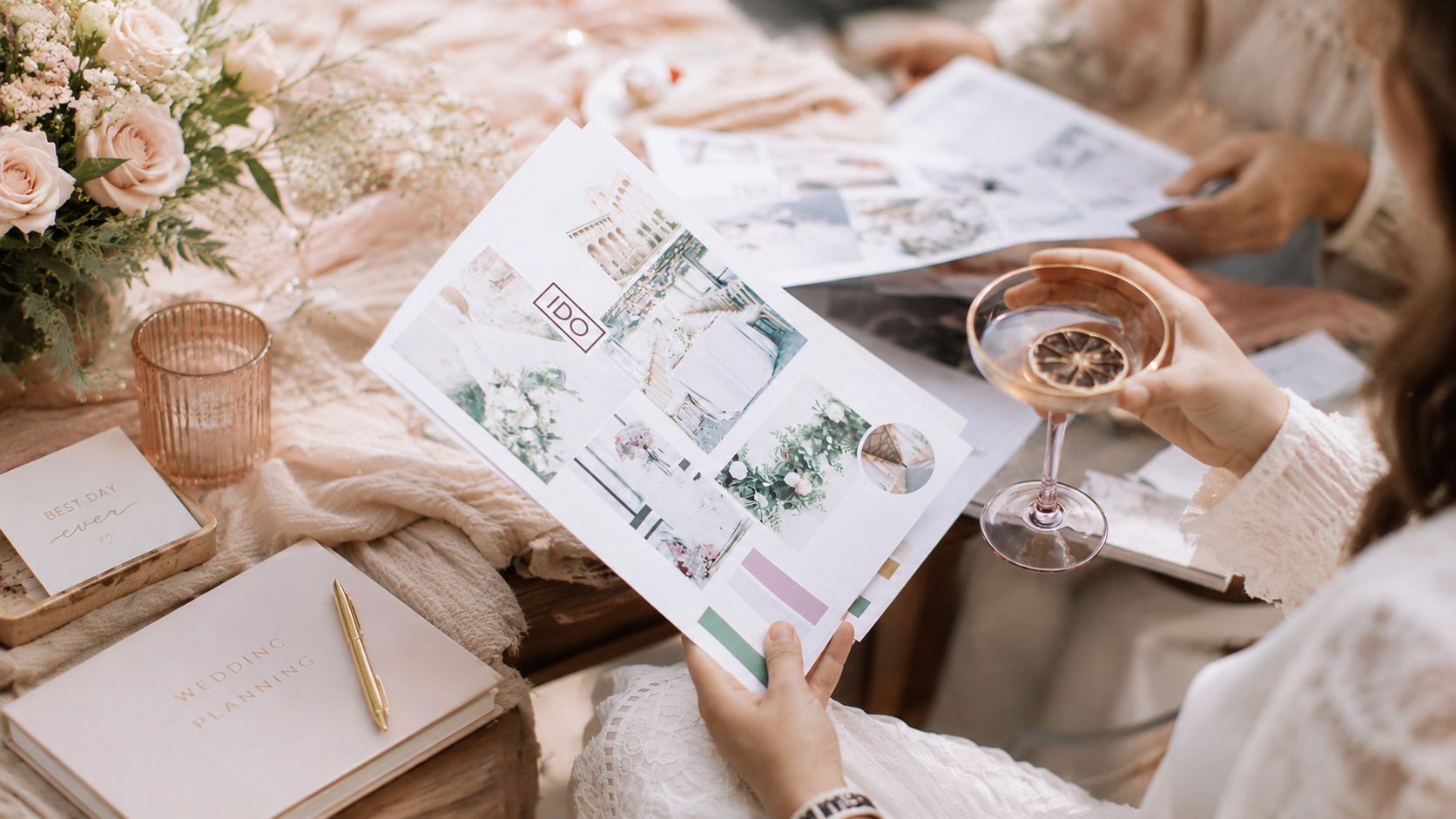
A harder truth in the data is about who actually does the work of planning. In most couples the job lands heavily on one person rather than being split evenly. Among opposite-sex couples the report found that most women carry the bulk of the planning, and even among same-sex couples one main planner usually appears over time. Often this same person also carries the feelings of the day, making sure nobody is forgotten and that every detail matches what the family wants.
This matters because it changes what good wedding tools are really for. A good platform is not just one that looks lovely. It is one that takes some of that weight off the person carrying it. When invitations, guest lists, replies, and gifts become genuinely easy to handle, the main planner is free to be present instead of always working in the background. Taking that load off is not a small extra. It is one of the most useful things a wedding platform can do, because it gives the planner back the very thing a wedding is meant to be about, which is time with the people they love.
Why Guest Lists Are Now Spread So Far Across The World
Even as weddings get longer, guest lists stay large, holding steady at around 145 people on average. At the same time, families today live further apart than ever, with close relatives often in different cities and different countries. This mix creates a quiet challenge under almost every modern wedding. Couples want everyone there, but the people they want most are no longer all close by.
This is where a lot of the hidden stress of a modern wedding comes from. Inviting a big, spread-out guest list means working across time zones, sending news that reaches everyone at the same time, and making sure a relative far away feels just as included as a friend down the road. The couples who do this well are not always the ones who spend the most. They are the ones who find ways to make the distance feel smaller, so that being far away never quietly becomes being left out. The wish behind all that effort is, once again, simply being together, now stretched across a map that keeps getting wider.
Different Weddings Around The World With One Shared Wish
Put it all together and the trends of 2026 paint a clear picture. Couples want more days so there is more time together. They want what is real over what just looks good. They want to keep the traditions that give the day meaning. They want the planning load eased so they can actually enjoy the celebration. And they want everyone they love there, no matter how far apart those people live. The looks and the apps will keep changing every year, but these deeper wishes stay steady, and they cross every culture and every kind of wedding there is.
This is also why no single template fits every couple. A wedding in one place with a single main day has very different needs from one that runs across several events and a guest list split across countries. For families whose weddings are naturally multi-day and spread across more than one country, which has long been true of many traditions including Indian weddings, the patterns now showing up in the wider data have always simply been normal. Platforms made for that reality, like Indivites, exist because longer celebrations, far-flung guests, and deeply held traditions are not a passing trend for these families but the actual shape of the wedding itself. Looked at this way, a culturally specific platform is not a narrow idea at all. It is simply a tool built around what the wider data shows every couple, in their own way, is quietly asking for.
In the end, the biggest surveys keep landing on the same simple truth. The best weddings are not the longest or the most expensive or the most shared online. They are the ones that gather the right people, honour what matters most to the couple, and leave everyone there feeling part of something real. Everything else is just detail, and the detail will keep changing with the years. The wish underneath it stays exactly the same.
Frequently Asked Questions
1. Why are weddings getting longer in 2026? Because couples want more time with the people they love. Zola's 2026 report found 37% now host at least one extra event and 18% plan a two-to-three-day weekend, mostly so travelling guests feel looked after and goodbyes are not rushed.
2. How is social media affecting wedding planning? It shapes most decisions, with 87% of couples saying they have made a choice based on something they saw online, and 60% naming budget-versus-inspiration as their biggest stress. Many are now choosing what feels real to them over what simply looks good online.
3. Are couples still keeping wedding traditions? Yes. The 2026 data shows couples deliberately keeping the rituals that mean something to them, especially younger couples, because tradition gives a wedding weight and a sense of belonging, even as the exact customs differ across families and cultures.
4. Can a wedding platform really reduce planning stress? It can, by easing the load that usually falls on one main planner. When invitations, guest lists, replies, and gifts are simple to manage, that person is freed to be present. Platforms like Indivites are built to take that weight off, especially for multi-event weddings.
5. What kind of wedding is Indivites best suited for? Indivites is made for celebrations that are naturally multi-day and spread across more than one country, such as Indian weddings, where longer functions, far-flung guests, and deeply held traditions are the norm rather than a passing trend.